
A figure from your own bill
Pick the band that matches your bill and add your postcode. An estimated yearly saving appears straight away, with no phone number needed.
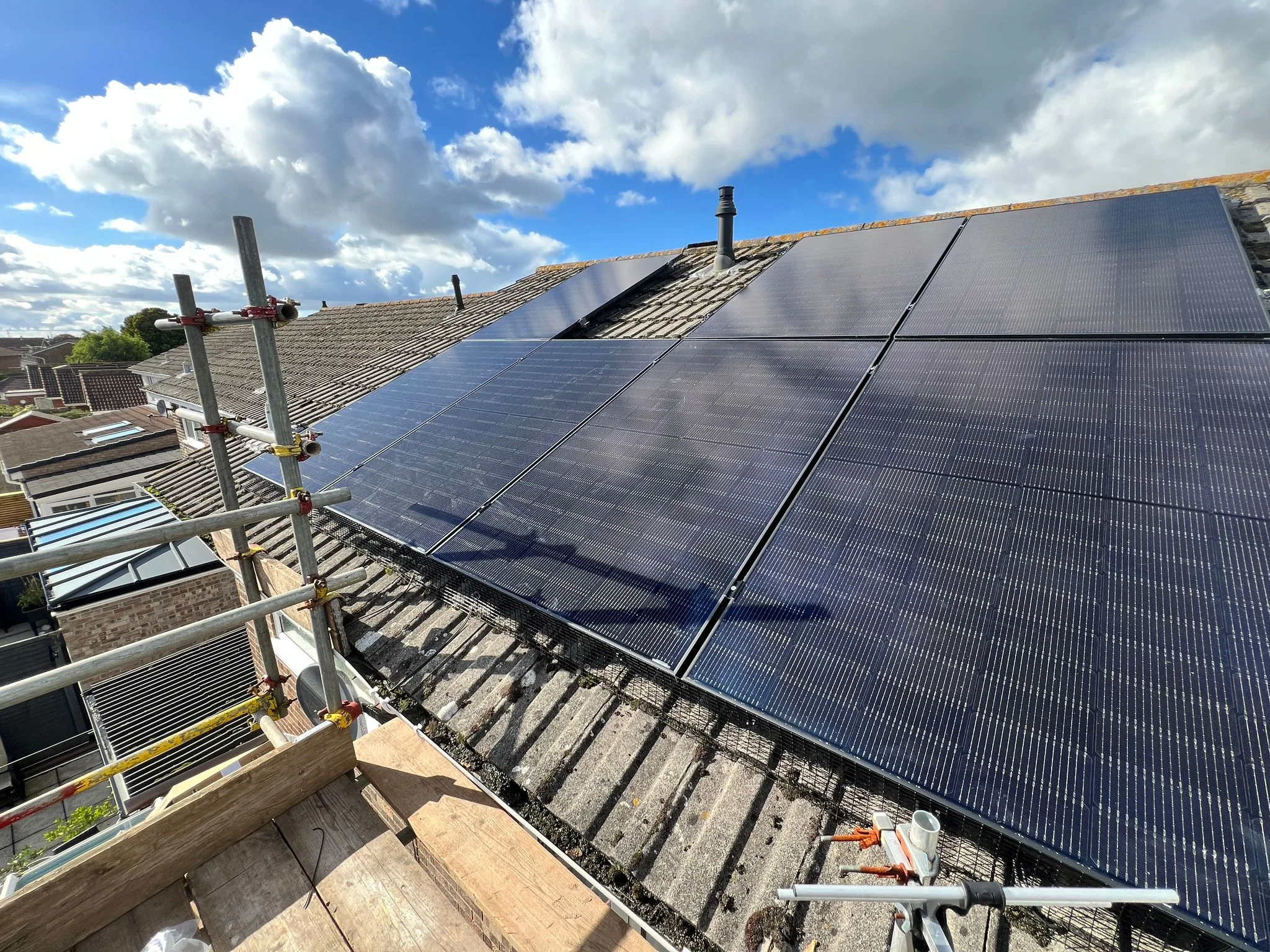
Free quote for solar in Bristol
Make more of your Bristol roof by letting it generate the electricity the house below it uses. REST can explain the price, the battery options and the likely savings over the years ahead at a free appointment.
Buy less electricity from your supplier. Get your personal Bristol savings estimate below.
Step 1 of 3
Roughly is fine. It tells us how much solar could do for your home.







What Bristol homeowners get
Bristol's hills and terraces make every roof a little different, so the numbers should come from your home rather than a brochure.
Pick the band that matches your bill and add your postcode. An estimated yearly saving appears straight away, with no phone number needed.
Eurener NEXA panels come with 30 years of manufacturer cover on the product and on performance. Duracell, Fox ESS, Tesla or Growatt batteries are offered when storage suits how you use power.
Deposits are insured through HIES, installation follows MCS standards, and every savings estimate has to be cleared by EPVS before the work starts.
Bristol customers
A Bristol home with heavy electricity use, and what solar with storage is estimated to do for it.
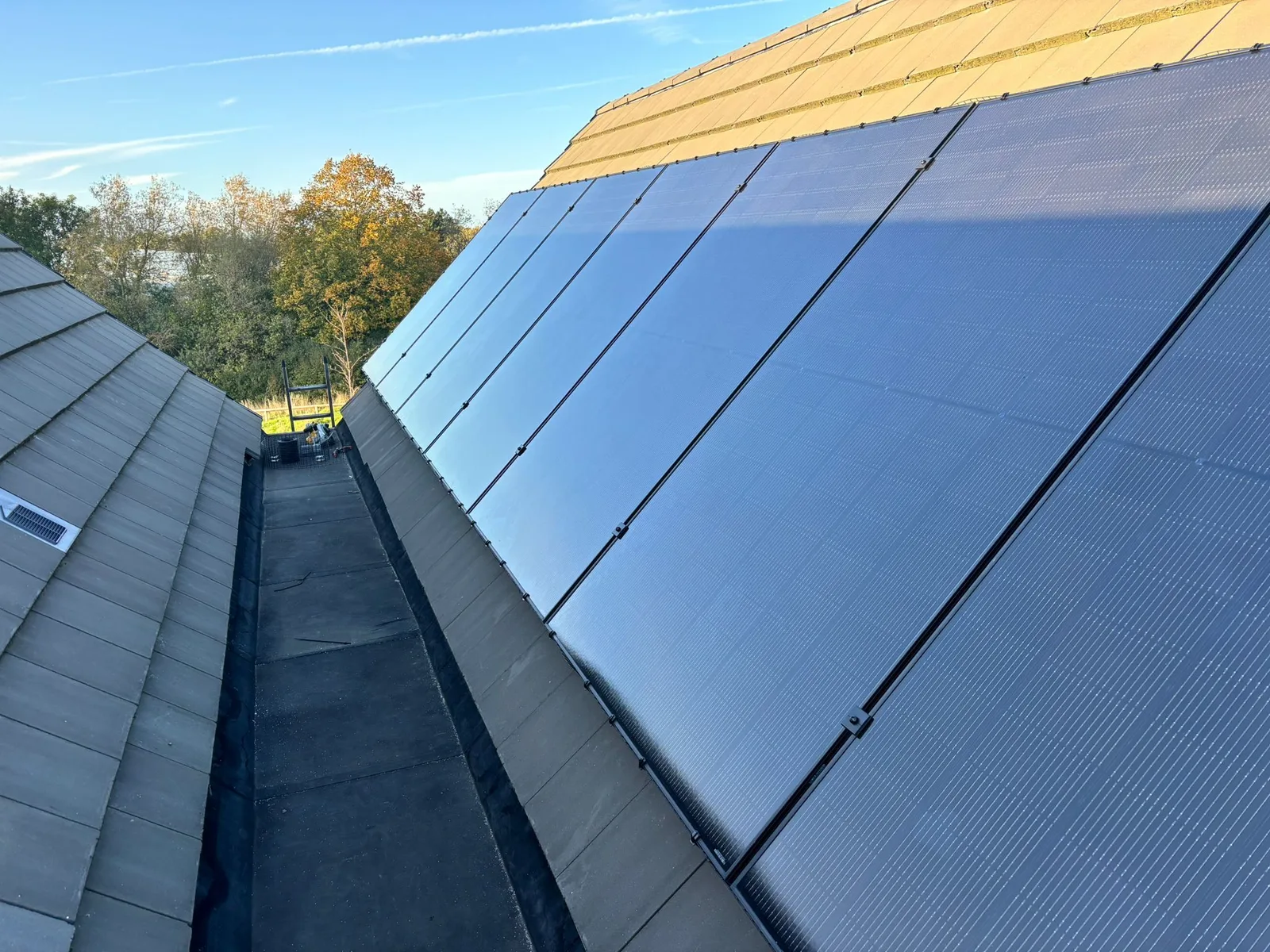
Case study
Some roofs make power for the grid. This one makes it for the house. Muheenat's Bristol home was set to spend £1,740 a year on electricity, and the plan was to cover as much of that as the roof allowed.
Over half of what the 16 panels generate is expected to go straight into the house as it is made, and two batteries can save part of the rest for later. By evening, the house can be running on a day's worth of sun kept in reserve.
REST projects payback at around seven years, which is not long for a system of this size. After that you are simply living in a house that makes some of its own power, and the projection below follows it across 30 years.
*Assumes electricity prices rise 7.04% a year. A projection, not a guarantee.
All savings, spend and generation figures are estimates, not measured results or a guarantee, and they depend on the roof, usage, tariff and future energy prices. These are selected examples, not typical results.
What it means at home
A system's contribution does not stop at an annual estimate. Over its life, home generation can mean years of reduced electricity purchases.
On a bright day the roof can supply the house first and the grid second, so the meter ticks over more slowly.
Storage lets you use more of what you generate. Instead of exporting everything the house cannot use at noon, you can save some for later.
When the payback point is behind you, the system keeps working at no extra cost per unit, and you still have the option of exporting surplus.
What backs the quote
Four things worth confirming with any installer, and how REST answers each.
The panel maker offers warranties lasting 30 years, one for the product and one for performance. REST helps with any claim.
Duracell, Fox ESS, Tesla Powerwall and Growatt batteries are available, matched to the evening demand in your house.
An insurance-backed HIES scheme protects your deposit, up to its limits, and offers help if a dispute arises.
Calculations follow the method EPVS sets out, EPVS checks them before installation, and the assumptions are shown in the quote.
solar installations in the South West so far in 2026, per the government's first regional breakdown. GOV.UK
Solar in Bristol
Local points that can shape a Bristol solar plan.
Bristol City Council says that in a conservation area, panels on a wall at the front or side of the house, visible from the road, need planning permission. Listed buildings need listed building consent. If you want the council's decision in writing, a Lawful Development Certificate is available.
Bristol's power comes through the South West network of National Grid Electricity Distribution. REST files the G98 or G99 application for you, and how long it takes is up to the operator.
Bristol's steep streets mean neighbouring roofs can sit above or below yours, so shade and access change from house to house. The surveyor checks both before proposing a layout.
Useful official pages: Bristol City Council householder planning guidance · Find your network operator · Planning Portal: solar panels and planning permission
How it works
Four options, from under £100 to £300 or more.
The estimate adjusts to Bristol and the surrounding area.
Share your details and REST comes back to you with what solar could save your Bristol home.
Common questions
No. It is free, and you owe nothing if you decide against solar.
Your quote shows how REST reached its Bristol numbers. It contains:
REST can arrange finance options, including some with no upfront cost. Finance is subject to status and lender approval, and REST UK acts as a credit broker, not a lender.
For a firm price, yes. A REST surveyor measures the roof, checks shade and looks at your electrics. The visit is free and does not commit you to anything.
The on-screen figure is deliberately cautious. Your quote uses the specifics of your house, so it can move either way, and it is still an estimate.
Yes. The longer a system keeps running after it has paid back, the more of your own electricity you use without paying for it. Your proposal shows the estimated payback point.
They can limit where panels go. If your home is in one, a wall facing the road is the sensitive spot, and listed buildings need consent as well. The council can confirm your street.
Many steep and awkward roofs still work. The surveyor checks pitch, access and shade, and the quote says how many panels fit.
Yes, if you join a Smart Export Guarantee scheme. Payment rates are set by each supplier.
Bristol and the West of England coverage
REST reviews residential projects throughout the area, subject to survey requirements, access and installation availability.
Check your propertyClifton, Redland, Bishopston, Horfield, Cotham and Montpelier.
Bedminster, Southville, Knowle and Brislington.
Fishponds, Easton, St George, Kingswood and Hanham.
Filton, Bradley Stoke, Patchway, Portishead, Clevedon and surrounding communities.
Free quote
Share your details and REST comes back with your Bristol numbers. It costs nothing and you can say no.
Step 1 of 3
Roughly is fine. It tells us how much solar could do for your home.
Projected net savings over 30 years: Muheenat A, Bristol. This is the projection in the customer's own proposal, after the cost of the system and any finance repayments. It assumes electricity prices rise 7.04% a year, panel output falls 1% in the first year and about 0.38% a year after that, battery capacity falls 2.5% a year, and the battery (£1,000) and inverter (£750) are replaced every 10 years.
If electricity prices rise more slowly than assumed, the savings will be lower. Projections are not measured results or a guarantee, and they depend on the roof, usage, tariff and future energy prices. These are selected examples, not typical results.