
The estimate comes first
Say what you pay each month and where you live, and an estimated yearly saving appears. Name and number can wait until you decide you want a quote.
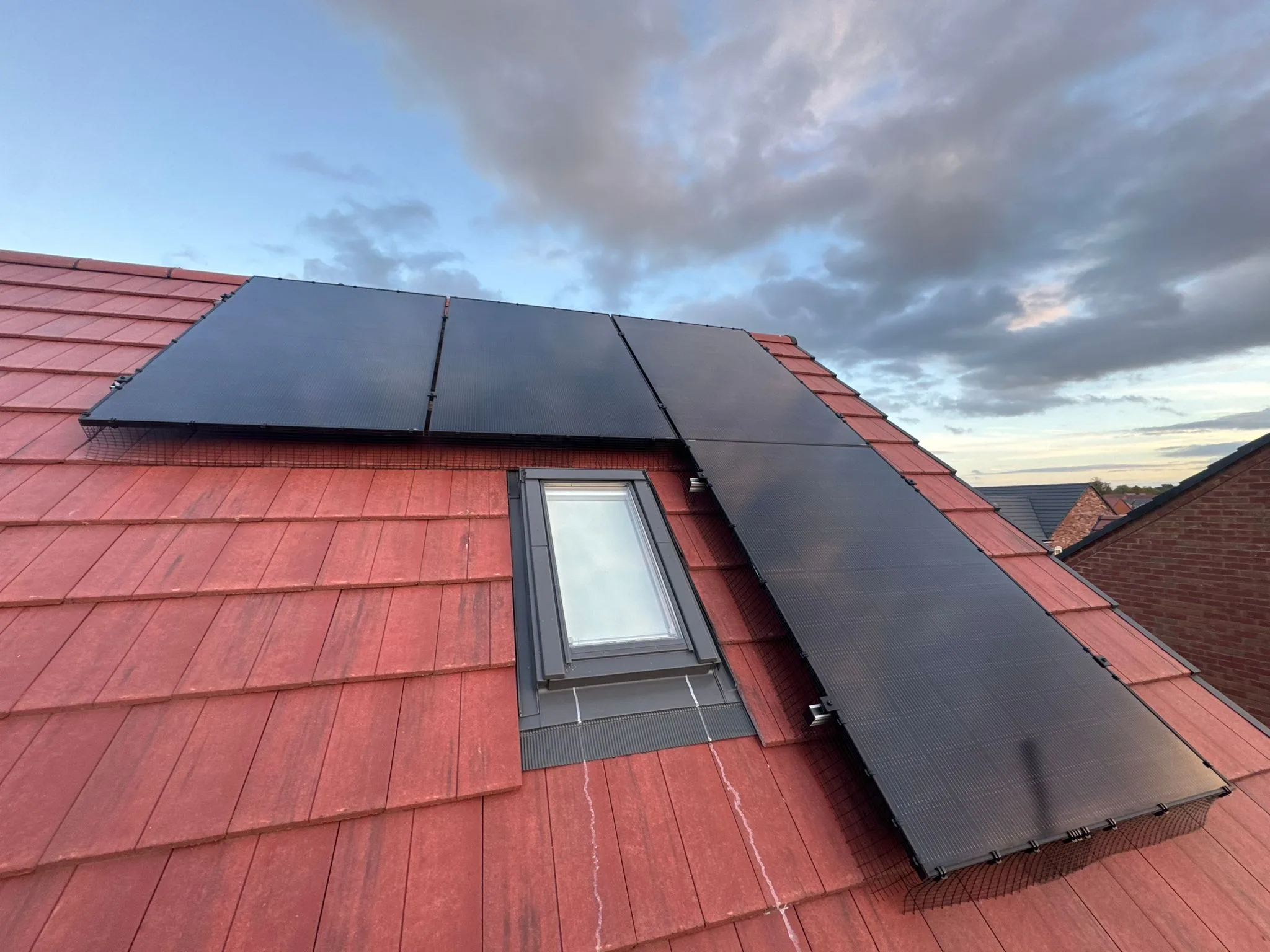
Free quote for solar in Newcastle
Find out whether solar could help your Newcastle home buy less electricity from the grid. A free appointment compares the cost of the equipment with the estimated savings, including what a battery could add.
Buy less electricity from your supplier. Get your personal Newcastle savings estimate below.
Step 1 of 3
Roughly is fine. It tells us how much solar could do for your home.








Newcastle and Tyneside
Tyneside's mix of terraces, flats and newer estates means two streets can need two different systems.
Say what you pay each month and where you live, and an estimated yearly saving appears. Name and number can wait until you decide you want a quote.
Eurener, the panel maker, warrants both the panels and their output for three decades. Storage can come from Tesla, Growatt, Fox ESS or Duracell, if it makes sense for your evenings.
MCS certification covers REST's installers, HIES stands behind your deposit with insurance, and EPVS checks and clears each savings calculation before the install.
North East customers
A Northumberland install, and what it is estimated to save.
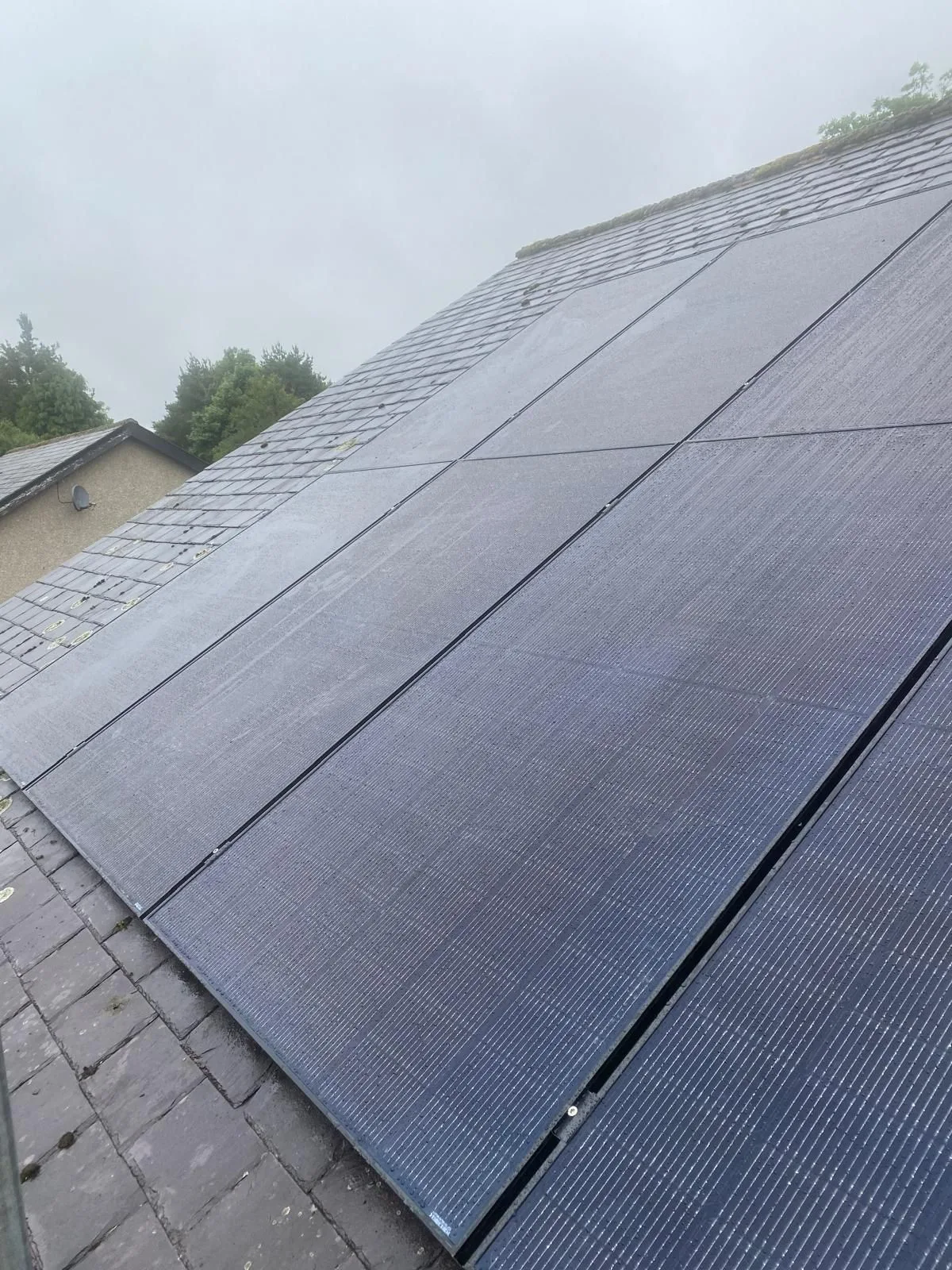
Case study
Panels make their power at midday, but homes tend to need it later. William's Northumberland home, with a bill of £1,115 a year, is a case study in closing that gap.
Two batteries can do the closing. They hold the roof's surplus until it is needed, and they account for more than half of the projected benefit. Exports play almost no part.
Payback is projected at around 12 years. The figure underneath shows how that patient decision could play out over 30 years.
*Assumes electricity prices rise 7.04% a year. A projection, not a guarantee.
All savings, spend and generation figures are estimates, not measured results or a guarantee, and they depend on the roof, usage, tariff and future energy prices. These are selected examples, not typical results.
What it means at home
Solar can contribute to household electricity for many years. Ask REST to set out the potential value across the full forecast, including exports.
Even on a bright winter day the roof can contribute, taking something off what the house would draw from the grid.
A battery gives the house another source in the evening, with the grid there as back-up whenever the stored charge runs out.
After payback, the home is still generating part of its own supply. Panels carry a 30-year performance warranty.
What is behind the figures
None of these depends on taking REST's word for it.
Eurener provides separate warranties for NEXA panels and their output, each lasting 30 years. REST helps with a claim should one arise.
Growatt, Tesla, Fox ESS and Duracell are all on offer, with capacity based on how much you use after dark.
HIES covers your deposit through an insurance-backed scheme, within the limits it sets.
EPVS checks the numbers and has to clear them before installation; each figure is flagged as an estimate and its assumptions are listed.
rise in solar installations across the North East in the twelve months to July 2026, the government's regional data shows. GOV.UK
Solar in Newcastle
A few local points that can matter on Tyneside.
Parts of Newcastle, including Jesmond and Grainger Town, are conservation areas, and listed buildings need consent. The classic Tyneside flats are a special case: each flat has its own owner, so roof rights and agreement between owners matter. A standard house outside those areas typically needs no planning application for roof panels.
Newcastle homes connect through Northern Powergrid's North East network. The G98 or G99 paperwork goes in via REST; when the operator answers is outside REST's control.
Terraces, Tyneside flats and modern estates each give a different amount of usable roof and shade, so the surveyor works from your actual roof.
Useful official pages: Planning Portal: solar panels and planning permission · Find your network operator · GOV.UK regional solar figures
How it works
Tap the range your monthly electricity bill falls into.
An estimate for a Newcastle-area home appears on screen.
Pass REST your details and you hear back with what solar could save you.
Common questions
No. Asking for one costs nothing and leaves you free to decline.
System and cost for your Newcastle home in one document. It includes:
Finance is on offer, and some routes ask for nothing upfront. Finance is subject to status and lender approval, and REST UK acts as a credit broker, not a lender.
A REST surveyor, before any price is fixed. They measure, note any shade and inspect the electrics, and there is no charge.
Think of it as a sensible starting point built on typical use for a bill like yours. Once your own details are in, the quote replaces it, and it is still an estimate.
It is worth asking about. Once the system has paid for itself, the electricity it makes continues to reduce what you buy, and the forecast shows when REST expects that to begin.
It can be, but roof ownership and agreement between owners come first. Raise it early, and the surveyor can say what is realistic.
Dull days reduce output, but panels still generate in daylight, and the estimate is built for the region rather than for a sunny postcard.
Under a Smart Export Guarantee tariff, yes. Your supplier chooses the rate.
Newcastle and Tyneside coverage
REST reviews residential projects throughout the area, subject to survey requirements, access and installation availability.
Check your propertyGosforth, Jesmond, Heaton, Fenham, Kingston Park and surrounding districts.
Low Fell, Whickham, Ryton and surrounding communities.
North Shields, Tynemouth, Whitley Bay, Wallsend and nearby areas.
South Shields, Washington, Sunderland and surrounding towns.
Free quote
Pass REST your details and you will hear back with an estimate for your Newcastle property, no obligation.
Step 1 of 3
Roughly is fine. It tells us how much solar could do for your home.
Projected net savings over 30 years: William R, Northumberland. This is the projection in the customer's own proposal, after the cost of the system and any finance repayments. It assumes electricity prices rise 7.04% a year, panel output falls 1% in the first year and about 0.38% a year after that, battery capacity falls 2.5% a year, and the battery (£1,600) and inverter (£500) are replaced every 10 years.
If electricity prices rise more slowly than assumed, the savings will be lower. Projections are not measured results or a guarantee, and they depend on the roof, usage, tariff and future energy prices. These are selected examples, not typical results.