
An estimate before any details
Select a bill band and give a postcode and the page shows an estimated yearly saving. Your name, phone and email are only needed for the quote.
Free quote for solar in Oxford
Find out whether making electricity on your Oxford roof could cut what you pay your supplier. Get a free quote that shows the proposed system and what it could be worth in the long run.
Buy less electricity from your supplier. Get your personal Oxford savings estimate below.
Step 1 of 3
Roughly is fine. It tells us how much solar could do for your home.








Oxford homeowners
Oxford's mix of Victorian suburbs, college land and newer estates means a standard package rarely works. REST starts from your own bill.
Select a bill band and give a postcode and the page shows an estimated yearly saving. Your name, phone and email are only needed for the quote.
Two long warranties come with the NEXA panels: thirty years on the product, thirty on performance, both from Eurener. Growatt, Duracell, Tesla and Fox ESS storage is optional.
Installers hold MCS certification, HIES provides insurance for your deposit, and EPVS checks how savings are calculated and clears them before any install.
Oxfordshire customers
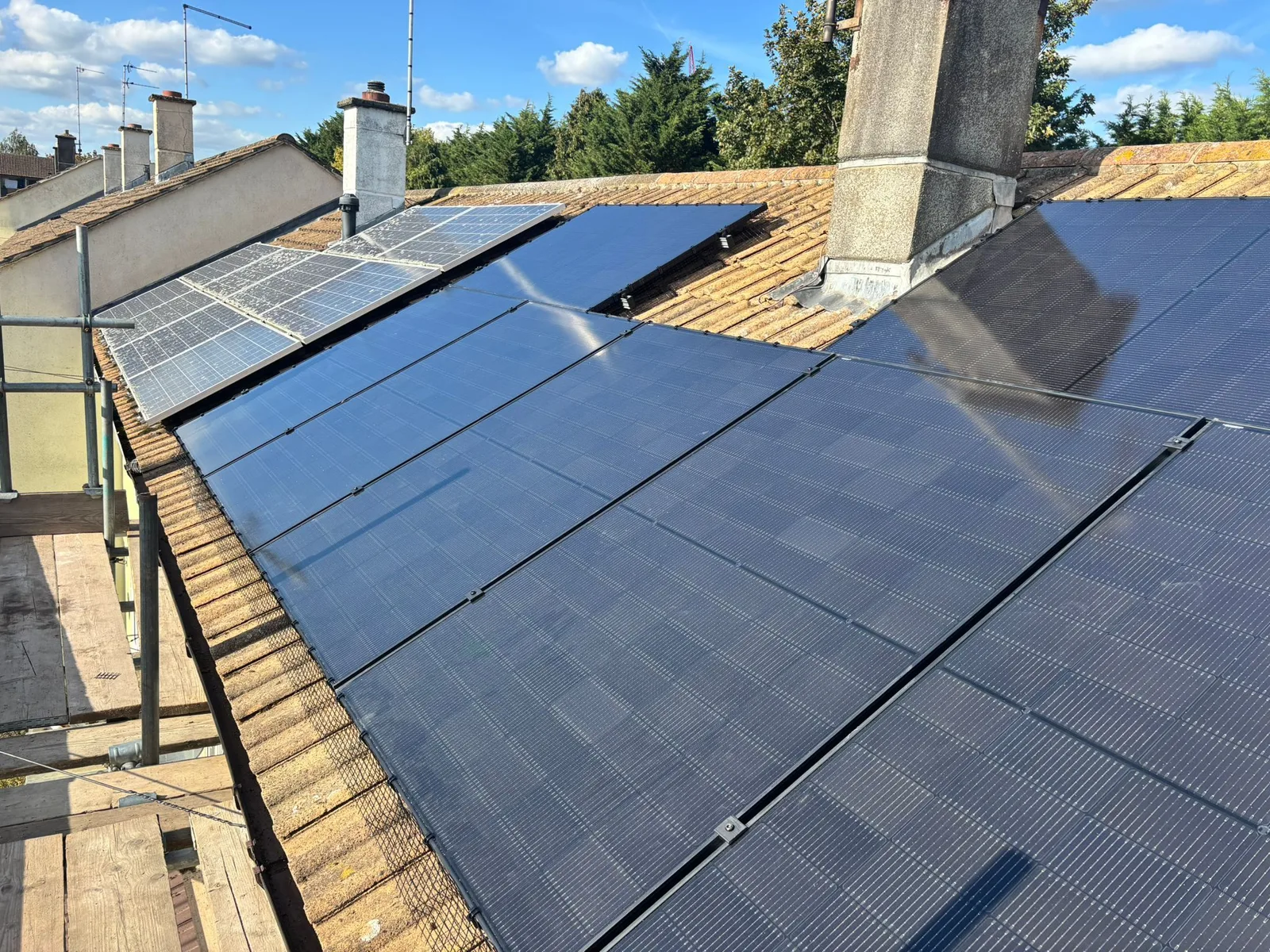
One Oxfordshire install, and what a smaller system and a battery are estimated to save.
Case study
Not every roof is big. Qamar's Oxfordshire home has ten panels, 4.5 kWp, and a household using 4,407 kWh a year, with electricity set to cost £1,088.
What makes the numbers work is the battery. In the projection it beats solar used directly, because storing the midday surplus is worth more than selling it. Exports are only a small extra.
Payback is projected at around eight years, a short wait for a smaller system. The 30-year view below shows how a compact roof could still add up.
*Assumes electricity prices rise 7.04% a year. A projection, not a guarantee.
All savings, spend and generation figures are estimates, not measured results or a guarantee, and they depend on the roof, usage, tariff and future energy prices. These are selected examples, not typical results.
What it means at home
Solar can offer a continuing contribution to household electricity needs. A long forecast shows how reduced purchases and export income could add up.
The roof can supply the household while it works, studies and cooks, which means less drawn from the grid through the day.
A battery keeps some of that power for the evening, which suits a household that is out during the day and home at night.
After payback, the savings continue while the system keeps working, subject to the costs REST has allowed for in the proposal.
Credentials, in plain terms
These are checkable facts rather than slogans.
NEXA panels are covered for three decades on the product and another three on performance, and REST can help with a claim.
Duracell, Growatt, Tesla Powerwall and Fox ESS, each sized to your own evening consumption.
HIES arranges insurance-backed protection for the deposit you pay, within its scheme limits.
Savings are estimated on the EPVS basis and signed off by EPVS before we install, labelled as estimates and set out with their assumptions.
Solar in Oxford
Oxford's character brings a few local points worth checking.
Oxford's historic core and many Victorian suburbs, including Jericho and North Oxford, are conservation areas, and college and listed buildings need consent. Most houses beyond those areas can have roof panels fitted with no planning application.
Oxford's electricity comes through the Southern Electric network operated by Scottish and Southern Electricity Networks. The G98 or G99 request is made by REST for you, with the response time left to the operator.
Narrow terraces, large Victorian villas and new estates on the edge of the city all offer different roof space. The surveyor measures yours and checks for shade.
Useful official pages: Planning Portal: solar panels and planning permission · Find your network operator
Next steps
Choose the monthly range that fits your electricity spend.
The estimate adapts to Oxford and Oxfordshire.
Add your details and REST replies with your own estimate of solar savings.
Common questions
No, and it does not commit you to anything.
A written proposal for your property in Oxford. It sets out:
Yes, including some with no upfront cost. Finance is subject to status and lender approval, and REST UK acts as a credit broker, not a lender.
They check the roof, shade and electrics so the estimate becomes a firm price. The call is free.
Think of it as a careful starting point. The quote swaps the typical-home assumptions for details of your own roof and usage, but it is still an estimate.
Often, yes. Once payback is reached, the power you generate and use is no longer bought from your supplier. REST's forecast shows when that happens and the costs it allows for.
Not outright, but they add checks, and listed and college buildings need consent. Your council can confirm what applies to your street.
Often not. The quote prices a solar-only system next to one with storage, so you can see whether the extra cost pays back for your usage.
Yes. Register for a Smart Export Guarantee scheme and the supplier pays its own rate for what you export.
Oxford and Oxfordshire coverage
REST reviews residential projects throughout the area, subject to survey requirements, access and installation availability.
Check your propertySummertown, Headington, Cowley, Botley, Wolvercote and surrounding areas.
Abingdon, Didcot, Wallingford, Thame and nearby communities.
Witney, Carterton, Woodstock and surrounding villages.
Bicester, Banbury, Kidlington and nearby towns.
Free quote
Add your details and REST replies with an estimate for your Oxford home, free and with no obligation.
Step 1 of 3
Roughly is fine. It tells us how much solar could do for your home.
Projected net savings over 30 years: Qamar N, Oxfordshire. This is the projection in the customer's own proposal, after the cost of the system and any finance repayments. It assumes electricity prices rise 7.04% a year, panel output falls 3% in the first year and about 0.52% a year after that, battery capacity falls 2.5% a year, and the battery (£1,036) and inverter (£750) are replaced every 10 years.
If electricity prices rise more slowly than assumed, the savings will be lower. Projections are not measured results or a guarantee, and they depend on the roof, usage, tariff and future energy prices. These are selected examples, not typical results.