
A figure with no strings
Tap your bill range and add your postcode and you will see a yearly saving estimate. Details are only needed for the quote.
Free quote for solar in Swansea
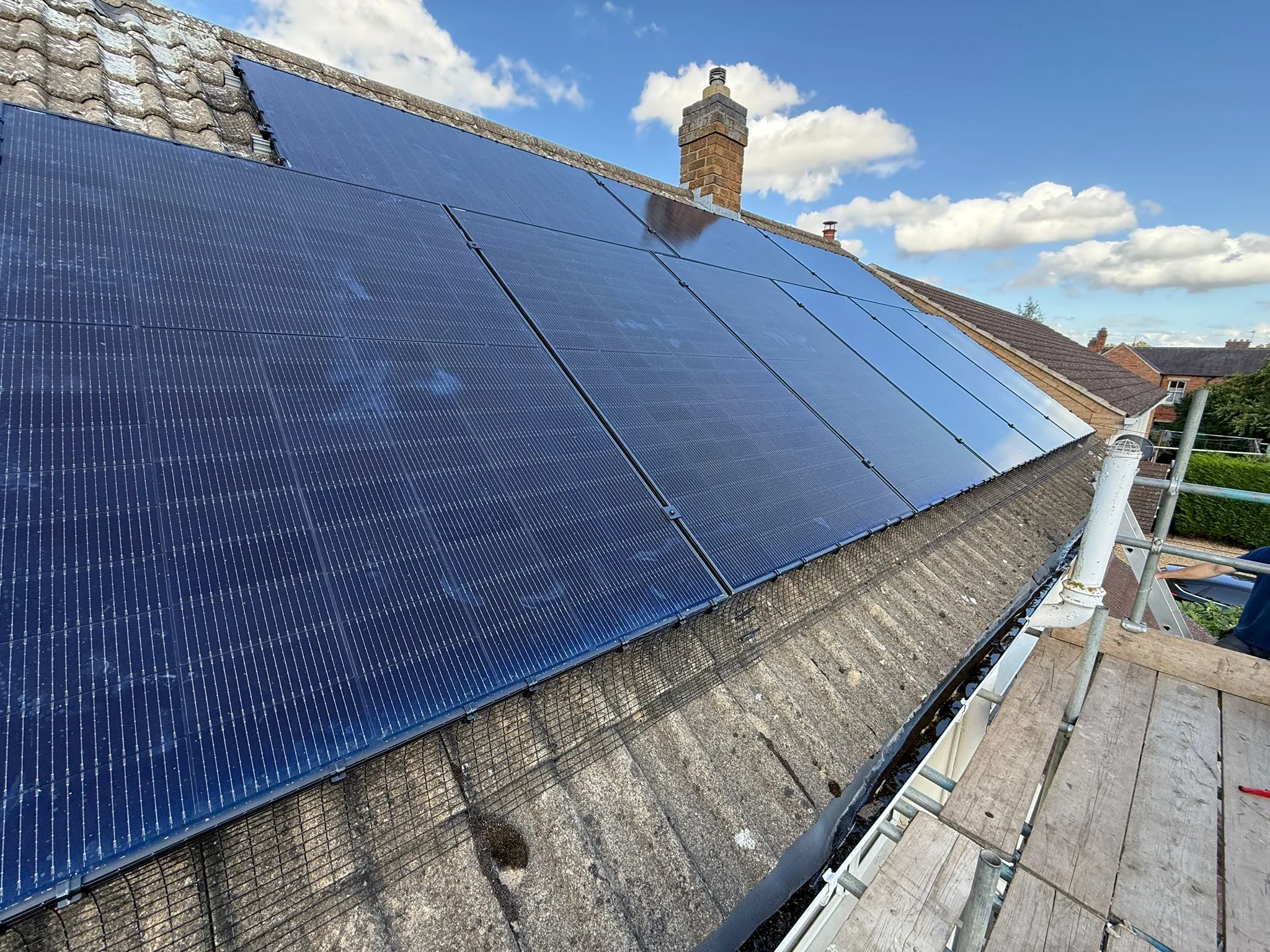
Make electricity at your Swansea home instead of buying every unit from a supplier. Get a free solar quote and see how panels, a battery and surplus exports could help your household finances over time.
Buy less electricity from your supplier. Get your personal Swansea savings estimate below.
Step 1 of 3
Roughly is fine. It tells us how much solar could do for your home.








Swansea and south-west Wales
From Mumbles to the valleys and Pembrokeshire, homes and roofs vary. The estimate starts with your bill.
Tap your bill range and add your postcode and you will see a yearly saving estimate. Details are only needed for the quote.
Eurener, the manufacturer, provides 30-year warranties on NEXA panels and on how much power they produce. Duracell, Fox ESS, Growatt and Tesla storage is available where it suits.
Installers hold MCS certification, deposits are insured through HIES, and the savings calculation is validated and cleared by EPVS before an install.
South West Wales customers
Two homes from South West Wales, and the worth of solar plus storage estimated for each.
Case study
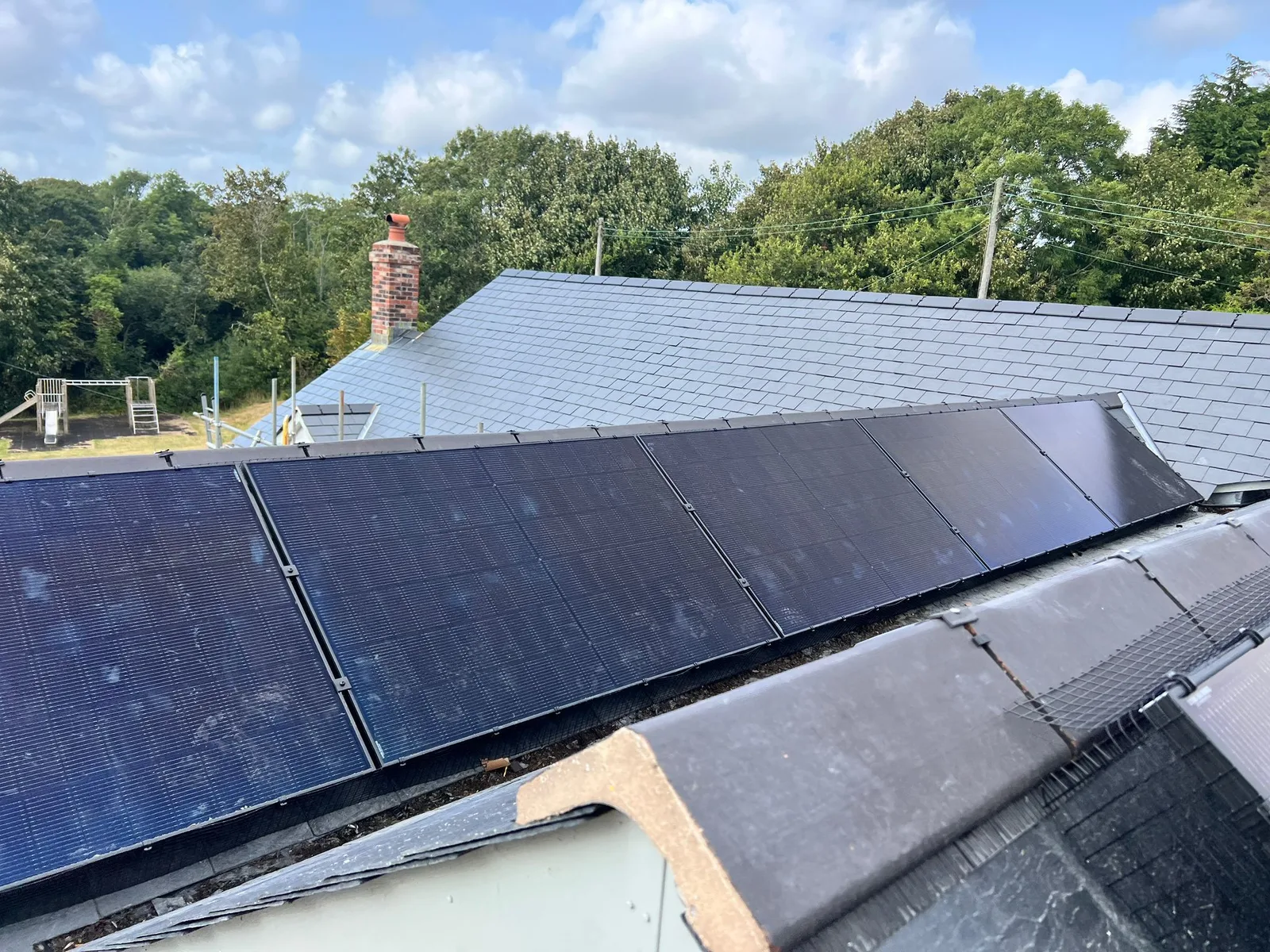
11,000 kWh a year is a lot of electricity. For James's South West Wales home it was set to cost £2,750, or £229 a month.
REST fitted 23 panels and two batteries to take a real bite out of it. Nearly half of what the panels produce is projected to be consumed in the house as it is generated, and the batteries pick up much of the rest, so exports play only a small part.
Payback is projected at around 12 years, and the long-run view beneath shows what a roof working against a bill this large could add up to.
*Assumes electricity prices rise 7.04% a year. A projection, not a guarantee.
Case study
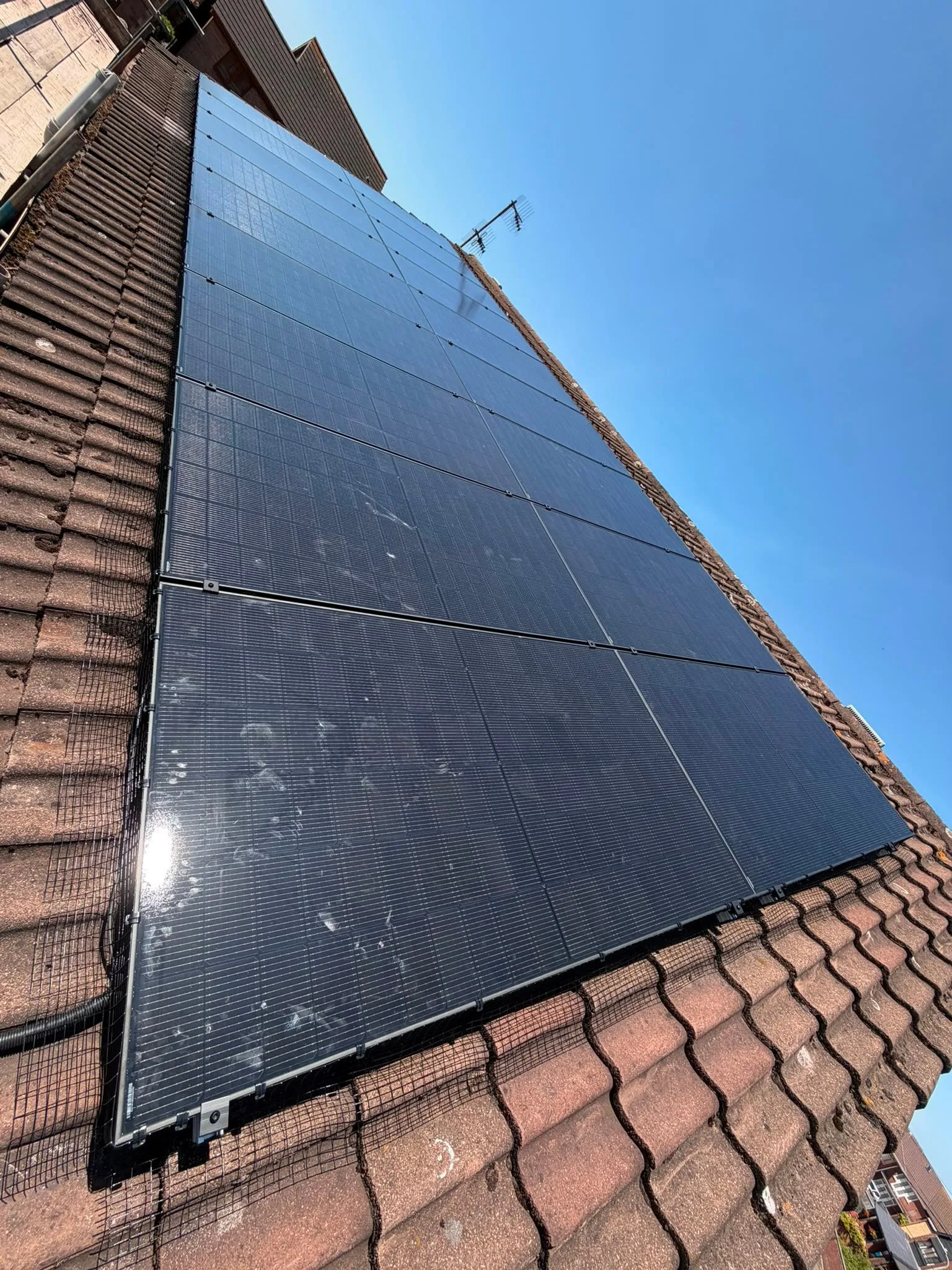
Mustafa's Neath Port Talbot home uses 4,655 kWh a year, and electricity was set to cost £1,200. REST put an 18-panel, 9 kWp roof on top of it.
That leaves a large surplus, and selling it to the grid accounts for just over half of the projected benefit. The remainder is split between power used directly and the batteries.
Because export income is counted, the projected benefit is bigger than the bill, although the household will still get a supplier's bill. Payback is projected at around ten years, and the 30-year figure below shows the long run.
*Assumes electricity prices rise 7.04% a year. A projection, not a guarantee.
All savings, spend and generation figures are estimates, not measured results or a guarantee, and they depend on the roof, usage, tariff and future energy prices. These are selected examples, not typical results.
What it means at home
A solar proposal can look across many years to show the value of continued generation. For your household it may combine less bought power with payment for surplus.
The panels use the daytime to supply the house, so part of every sunny day's power need is already covered.
With a battery, spare power from the afternoon can be used in the evening instead of being sent away at the export rate.
With the system paid back, you can set years of avoided grid spending against the cost of replacing a battery or inverter.
Behind the quote
None of these asks you to take REST's word.
Eurener gives NEXA panels separate 30-year product and performance warranties, and REST helps with a claim.
Four storage makers are available, and the capacity depends on what your home draws after dark.
Your deposit is protected under a HIES insurance scheme, subject to its terms.
Each saving is calculated through the EPVS process, passed by EPVS before installation, described as an estimate and given with its assumptions.
Solar in Swansea
Planning in Wales follows Welsh rules, and Swansea adds a few local wrinkles.
GOV.WALES says solar on a house roof is often permitted development, with extra checks in conservation areas and for listed buildings. The Gower is a protected landscape, so check before planning work there. English rules do not apply in Wales.
Swansea homes are connected via the South Wales network of National Grid Electricity Distribution. Lodging the G98 or G99 request is REST's job, and when the operator responds is its own decision.
Exposed coastal houses, terraced streets and valley homes on slopes all have different roof space, shade and wind exposure. The surveyor checks yours.
Useful official pages: GOV.WALES: solar panels and planning permission · Find your network operator
How it works
Choose the monthly band that matches what you pay.
The estimate adapts to Swansea and south-west Wales.
Hand over your details and REST responds with your personal estimate.
Common questions
No, and there is no obligation to go further.
A free proposal for your Swansea address and bills. It has:
Yes, with some routes needing no upfront cost. Finance is subject to status and lender approval, and REST UK acts as a credit broker, not a lender.
To fix a price, yes. A surveyor checks the roof, shade and wiring, free of charge.
It is a cautious figure built on typical usage. The quote is based on your own details, and it too is an estimate.
Yes. Once payback has passed, the electricity your panels make is power you do not buy, and surplus exports can add to that. Your proposal shows when REST expects payback to happen.
Yes. Welsh permitted development rules are set in Wales and published on GOV.WALES, so use those and ask your council.
Wind and salt air affect fixings and equipment, and the surveyor allows for exposure on seafront homes.
Exports can earn money through a Smart Export Guarantee tariff, at the rate your supplier offers.
Swansea and West Wales coverage
REST reviews residential projects throughout the area, subject to survey requirements, access and installation availability.
Check your propertyUplands, Sketty, Mumbles, Morriston and surrounding districts.
Bishopston, Killay, Penclawdd, Gorseinon and nearby communities.
Neath, Port Talbot, Briton Ferry and surrounding areas.
Llanelli, Carmarthenshire and nearby towns subject to availability.
Free quote
Hand over your details and REST responds with your Swansea savings estimate. There is no obligation.
Step 1 of 3
Roughly is fine. It tells us how much solar could do for your home.
Projected net savings over 30 years: James C, South West Wales. This is the projection in the customer's own proposal, after the cost of the system and any finance repayments. It assumes electricity prices rise 7.04% a year, panel output falls 3% in the first year and about 0.52% a year after that, battery capacity falls 2.5% a year, and the battery (£1,000) and inverter (£750) are replaced every 10 years.
Projected net savings over 30 years: Mustafa G, Neath Port Talbot. This is the projection in the customer's own proposal, after the cost of the system and any finance repayments. It assumes electricity prices rise 7.04% a year, panel output falls 1% in the first year and about 0.38% a year after that, battery capacity falls 2.5% a year, and the battery (£1,000) and inverter (£750) are replaced every 10 years.
If electricity prices rise more slowly than assumed, the savings will be lower. Projections are not measured results or a guarantee, and they depend on the roof, usage, tariff and future energy prices. These are selected examples, not typical results.