
 Russell Andrews
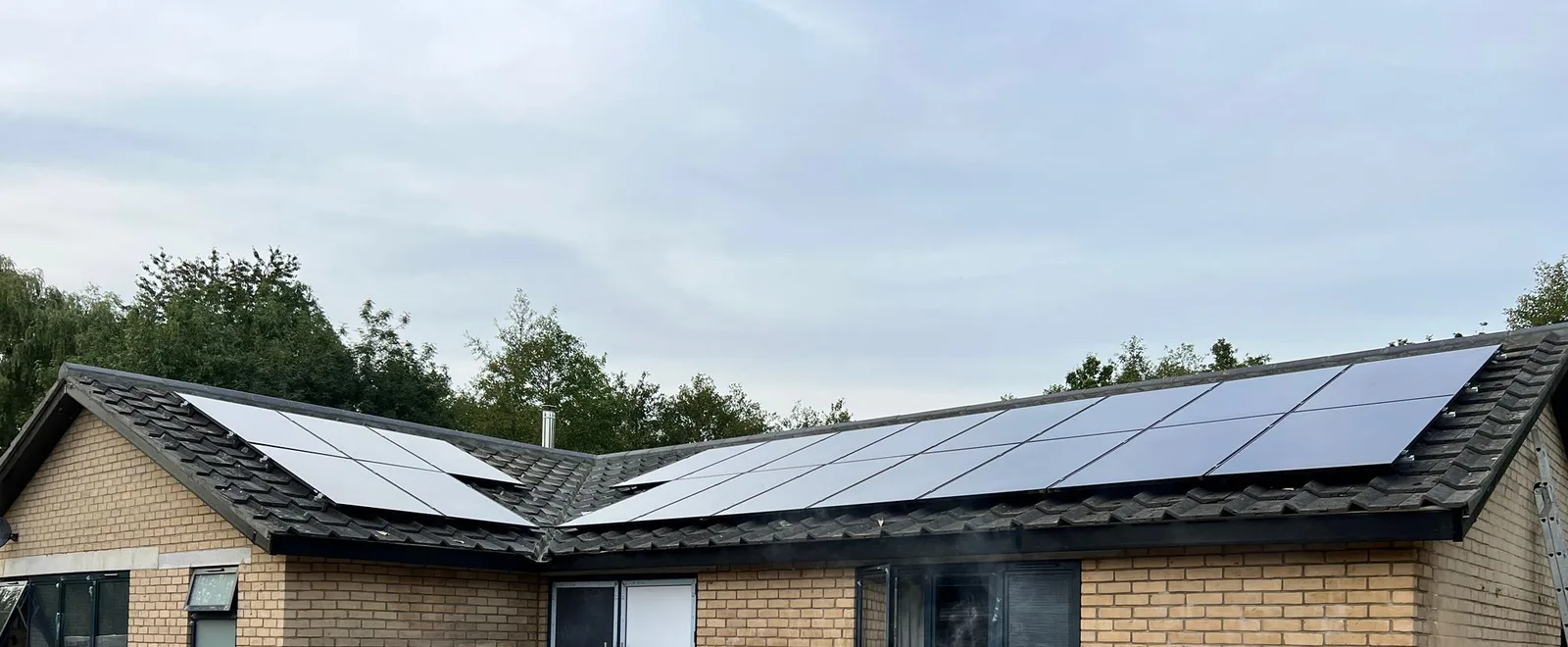
Good news: most homeowners in England do not need to apply for planning permission to fit solar panels, because the work is usually "permitted development", so there is no application to make and no waiting for a decision. A few simple limits apply, and the rules were updated on 27 August 2026. If you are asking whether you need planning permission for solar panels, the answer depends on the type of building, where it stands and how the panels are mounted. This guide sets out the limits from the Planning Portal in plain English.
Do you need planning permission for solar panels? The short answer
For a typical house or block of flats, solar panels on the roof are normally permitted development, which means no application to the council is needed as long as the limits below are met. The Energy Saving Trust gives the same general answer and adds that exceptions apply, such as listed buildings, so it is always best to check with your local planning office first.
What changed on 27 August 2026
The permitted development right for solar equipment on houses, blocks of flats and buildings within the grounds of a home was updated on 27 August 2026. A 12-month transition period runs until 27 August 2027. Until then you can follow either the rules as they stood before 27 August or the new rules.
For houses, the new rules set separate limits for how far solar equipment can protrude from walls, balconies and roof enclosures, depending on whether they face a highway. They also add a restriction on plug-in solar fitted to timber surfaces. The limits for panels on pitched and flat roofs are the same as before.
The roof limits to know
| Situation | Limit |
|---|---|
| Pitched roof | Panels must not be above the highest part of the roof, not counting the chimney, and should project no more than 200mm from the roof slope. |
| Flat roof | The highest part of the equipment must be no more than 600mm above the highest part of the roof, not counting the chimney. |
| Walls, balconies and roof enclosures (houses, new rules) | No more than 0.2 metres beyond the plane of the wall if it abuts a highway, and no more than 0.4 metres on any other wall. |
Equipment should also be sited, so far as practicable, to minimise the effect on the look of the building and the area. It should be removed as soon as reasonably practicable when it is no longer needed.
The few cases that need a closer look
- Listed buildings and scheduled monuments. Panels cannot be installed under permitted development on a building within the grounds of a listed building, or on a site designated as a scheduled monument.
- Conservation areas and World Heritage Sites. Panels must not be fitted to a wall that fronts a highway. Under the new rules this also covers balconies and roof enclosures.
- Flat roofs on designated land. On land such as national parks, the Broads, Areas of Outstanding Natural Beauty, conservation areas and World Heritage Sites, a flat roof installation needs prior approval from the local planning authority.
Our guide to solar panels on listed buildings looks at the listed building case in more depth.
Flats, leasehold and rented homes
Planning permission is a separate question from permission from the person who owns the building. The Planning Portal says a leaseholder may need permission from the landlord, freeholder or management company. The Energy Saving Trust says renters should speak to their landlord.
Building regulations and grid connection
Even when planning permission is not needed, building regulations normally apply to a roof installation. The existing roof must be checked to show it can carry the weight of the panels, and some strengthening may be needed. The electrical work is covered too, and the Planning Portal advises using an installer who belongs to a Competent Person Scheme.
The Energy Saving Trust also notes that the finished system must be registered with your Distribution Network Operator, and that the installer will usually do this for you. REST UK is MCS certified, which you can read about on our MCS standards page, and our how it works page explains the steps from survey to switch-on.
A note on Wales
The Planning Portal guidance relates to the planning rules for England and says the policy in Wales may differ. If you are in Wales, check with your local planning authority before work starts. Local authorities may charge a fee for pre-application advice.
A simple way to check before you order
- Note whether the building is listed, in a conservation area, in a national park or in a World Heritage Site.
- Check whether you own the freehold or need consent from a landlord or management company.
- Ask your installer to confirm in writing how the proposed panels meet the permitted development limits.
- If anything is unclear, ask your local planning authority, which is the body with the final say.
This is general guidance, not legal advice, and local rules can also apply. If you would like us to look at your property, you can request a free quote, and we will flag any planning point we spot during the assessment of your solar panel options.