
 Russell Andrews
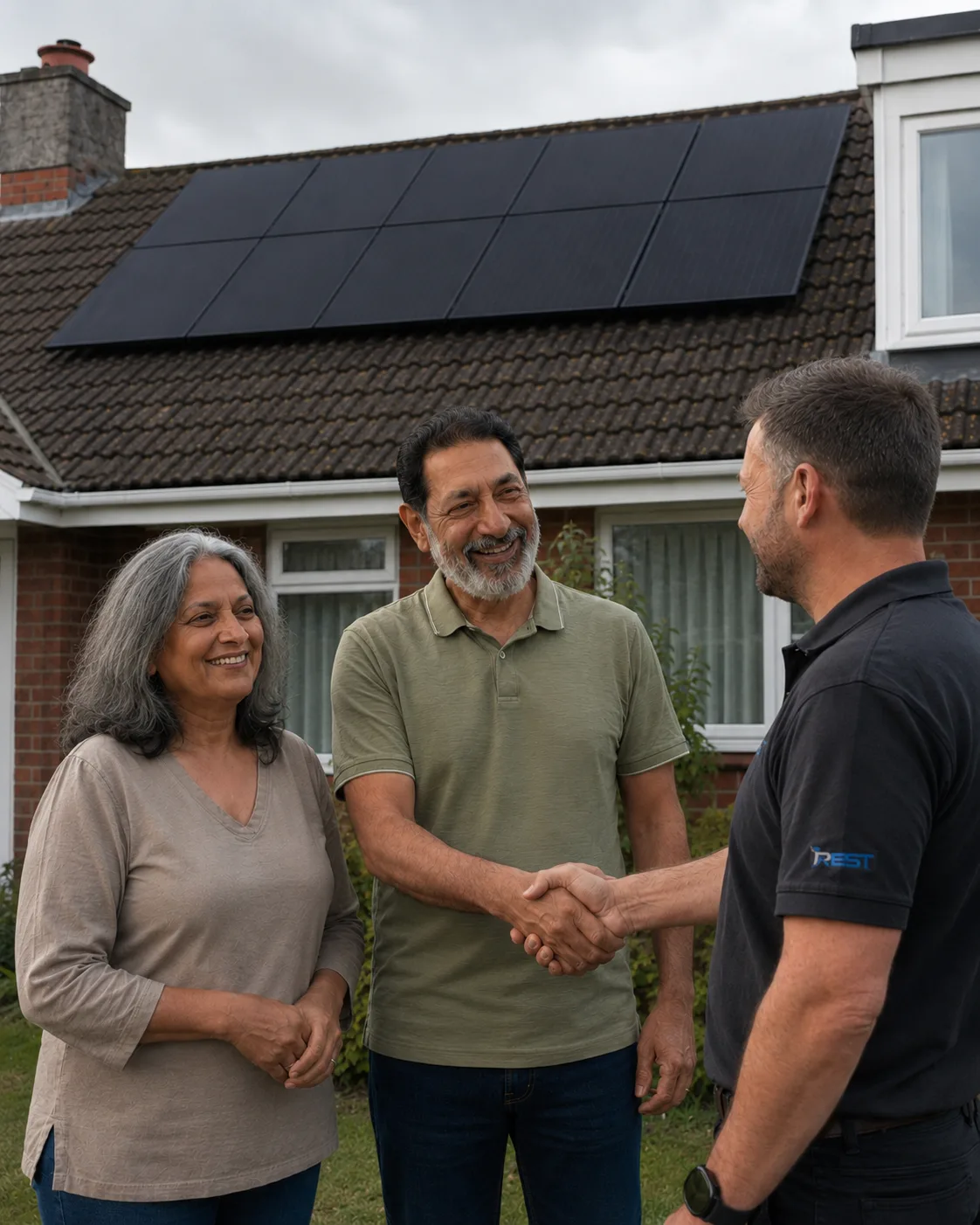
The upfront cost can put solar out of reach, even when a household wants to generate its own electricity and reduce its bills. The Warm Homes Loan Scheme creates another way to fund that investment, with lower-rate loans for eligible solar and battery installations, supported by the Government.
At REST UK, we start with what the system could do for your home. We assess your roof and electricity use, explain the estimated savings and help you compare the finance options available through our lending partners. You can then weigh the installation cost, repayments and estimated benefits together before you decide.
Why the scheme is worth a look
- A lower rate. The scheme's rules aim for a reduction of up to around 5 percentage points from a lender's usual rate. The actual reduction depends on the lender's product and the loan term.
- Solar and a battery together. Each has its own limit, so the two together can be financed up to £30,000 in total.
- Open to homeowners and private landlords. There is no income threshold and no minimum energy rating.
What is the Warm Homes Loan Scheme?
The scheme is run by the Department for Energy Security and Net Zero. Instead of paying a grant, the Government supports participating lenders so they can offer loans at a lower rate. Your agreement is with the lender, who decides whether to approve you.
What the loan covers
Each technology has its own limit. Costs above the scheme-supported limit must be covered separately. We will show any upfront payment and explain the lender's requirements before you apply. See our guide to what is covered for solar panels and a battery.
Part of the loan
- Solar panels, up to £15,000
- A home battery, up to £15,000, with or without solar
- The installation work and the equipment each measure needs
- An EV charger installed as part of your solar or battery system, within that measure's limit, if the charger and its installer meet the scheme's requirements
Quoted separately
- Insulation, roofing or structural work
- An EV charger on its own, because the scheme only covers one fitted with solar or a battery
- Anything else on your quote, which is paid for or financed separately
How the lower interest rate works
The Government supports the lender, who passes that on as a lower interest rate. Rates differ by lender, and the size of the reduction depends on the lender's product and the loan term. The most useful comparison is the total amount you would repay over the whole term, and we show you the lender's representative example before you decide.
Who can apply?
Homeowners and private landlords can apply for a home they own. The scheme operates across the UK. We design and install systems for homes across England and Wales. Some lenders only work with particular installers, so it helps to start with the installer. Our finance page lists Tandem Bank, Propensio Finance and This Bank among our lending partners, and all three appear on GOV.UK's list of participating lenders. When you enquire, we confirm which scheme products we can arrange for your project.
Warm Homes Plan, Local Grant or Loan Scheme: what is the difference?
The Government's wider programme for making homes warmer and cheaper to run.
A grant delivered by councils in England for eligible lower-income households. REST UK does not deliver it.
Lender-led loans at a lower rate, open to homeowners whatever their income, subject to lender checks.
Real homes, real systems
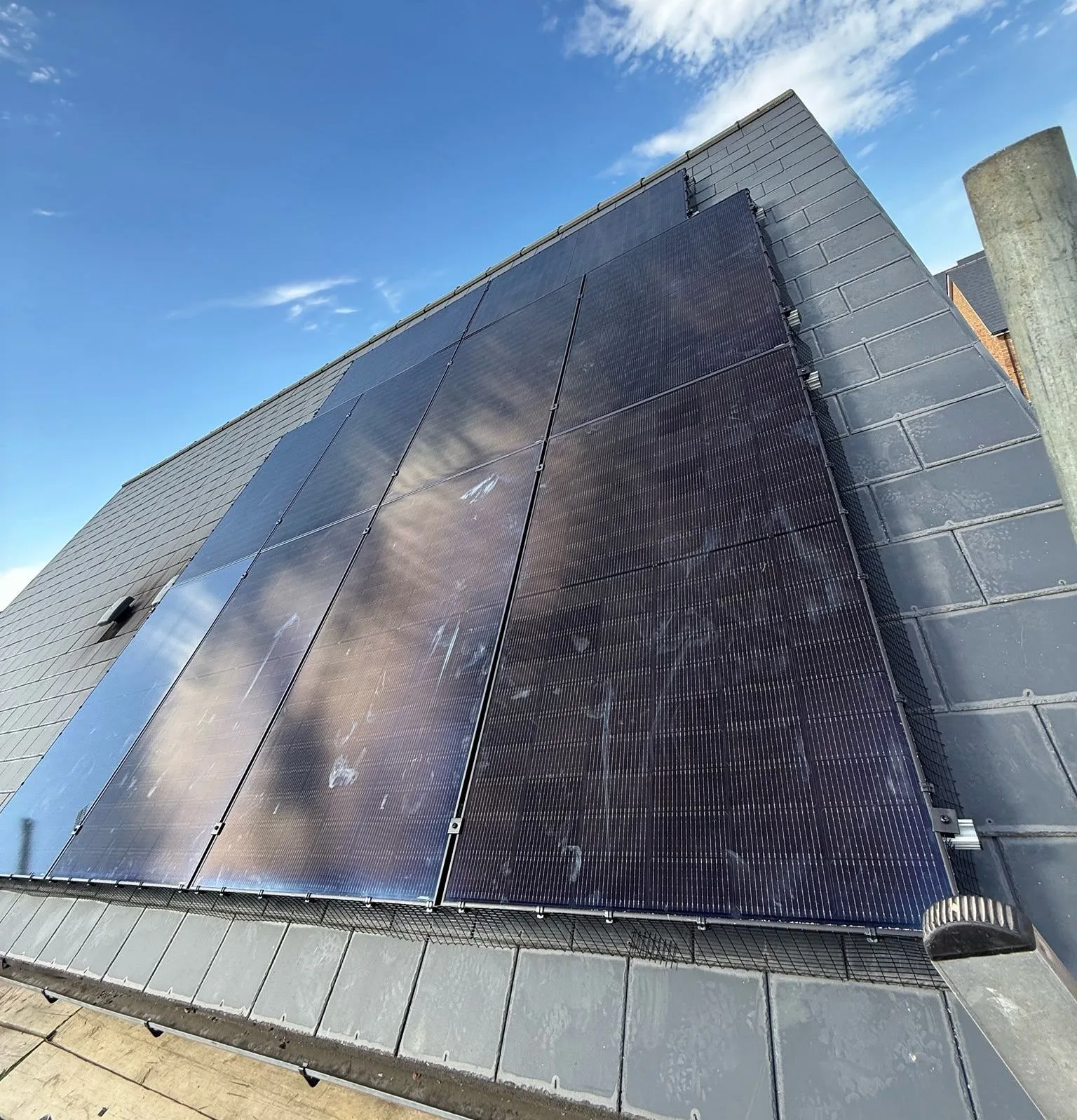 Kent10 panels, 5 kWp, with an 11.52 kWh batteryEstimated first-year benefit £1,771See our Kent installs
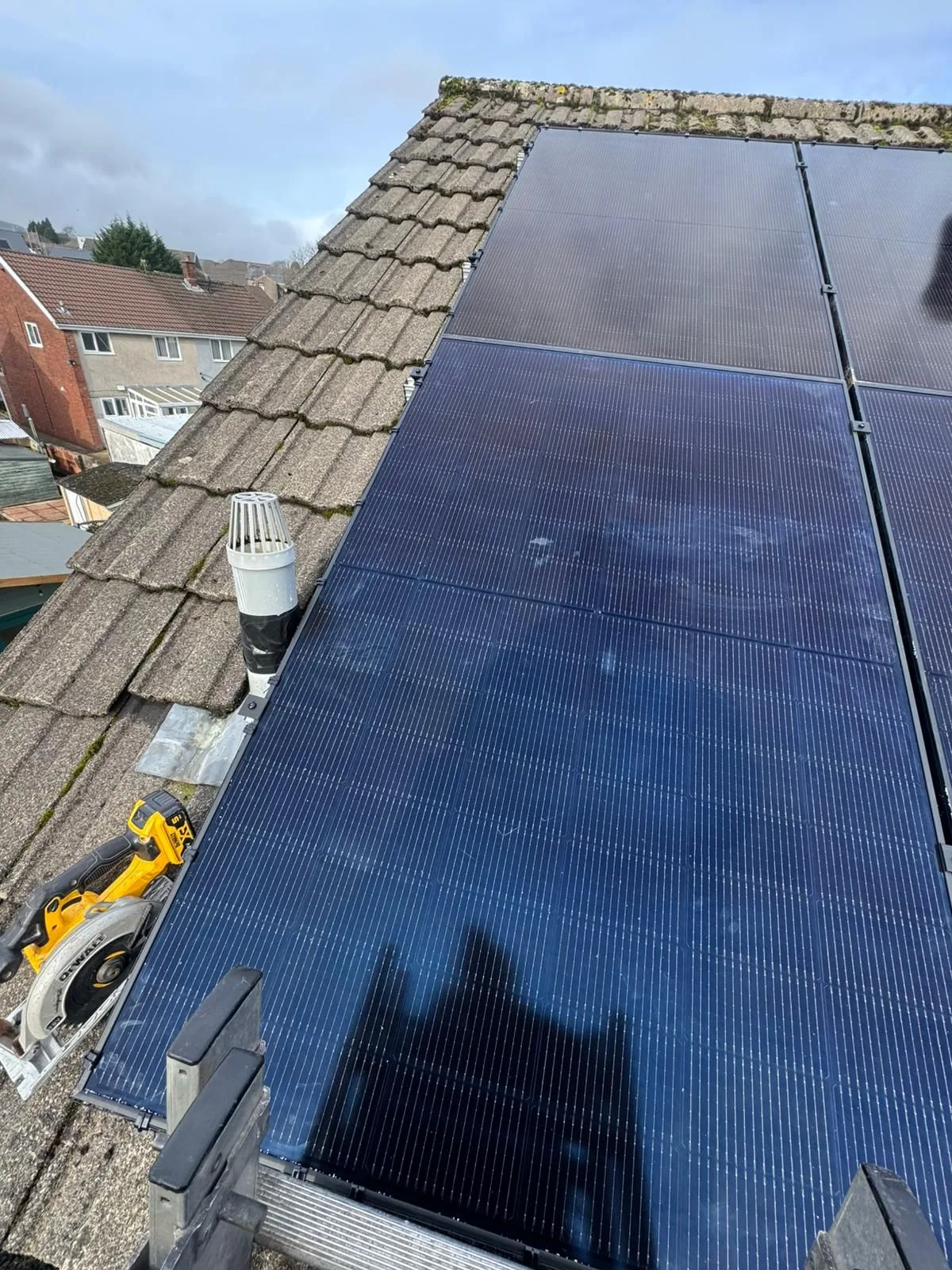 South Wales8 panels, 3.8 kWp, with an 11.52 kWh batteryEstimated first-year benefit £1,077See our South Wales installs
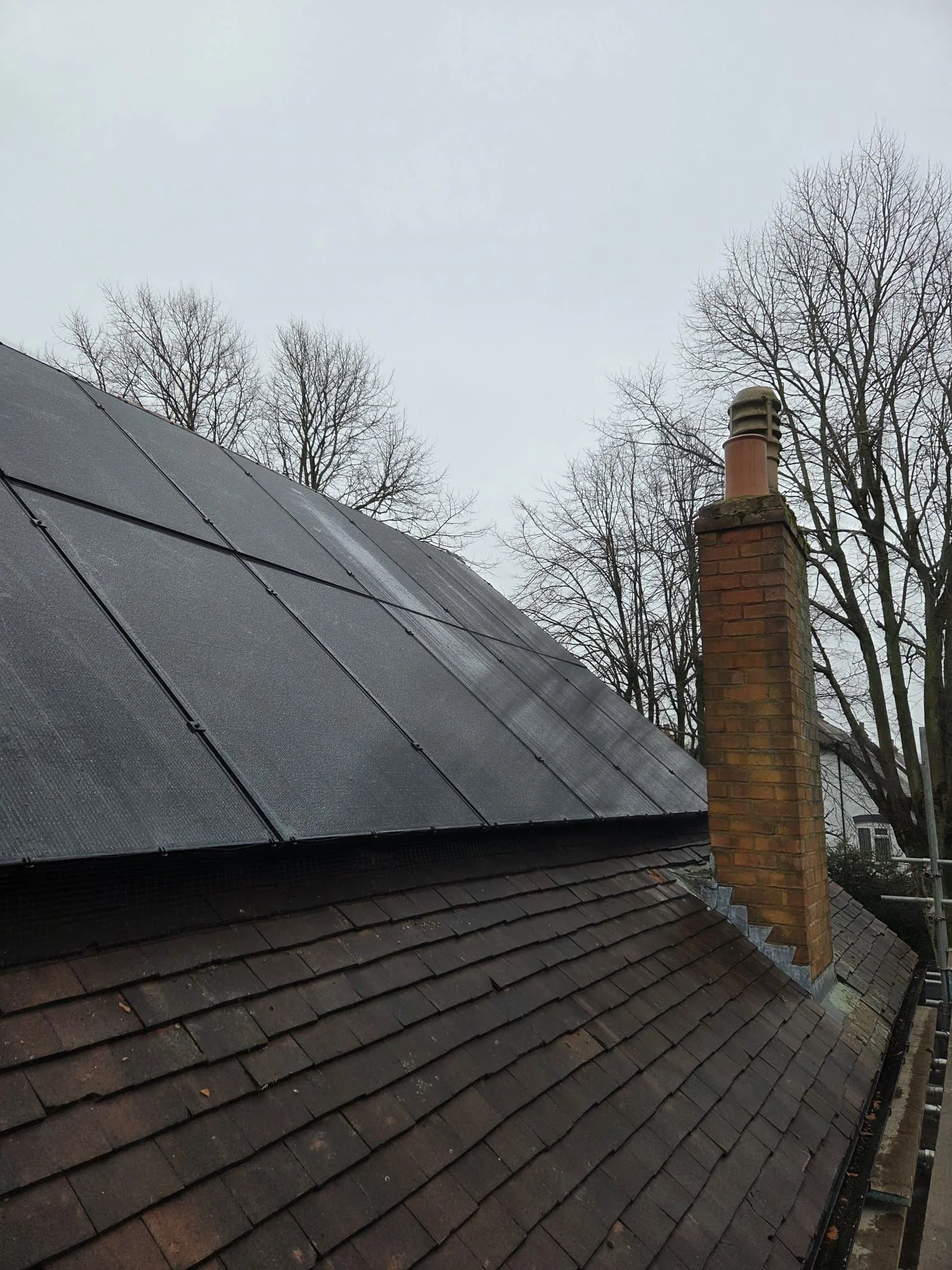 Birmingham24 panels, 12 kWp, with an 11.52 kWh batteryEstimated first-year benefit £1,930See our Birmingham installs
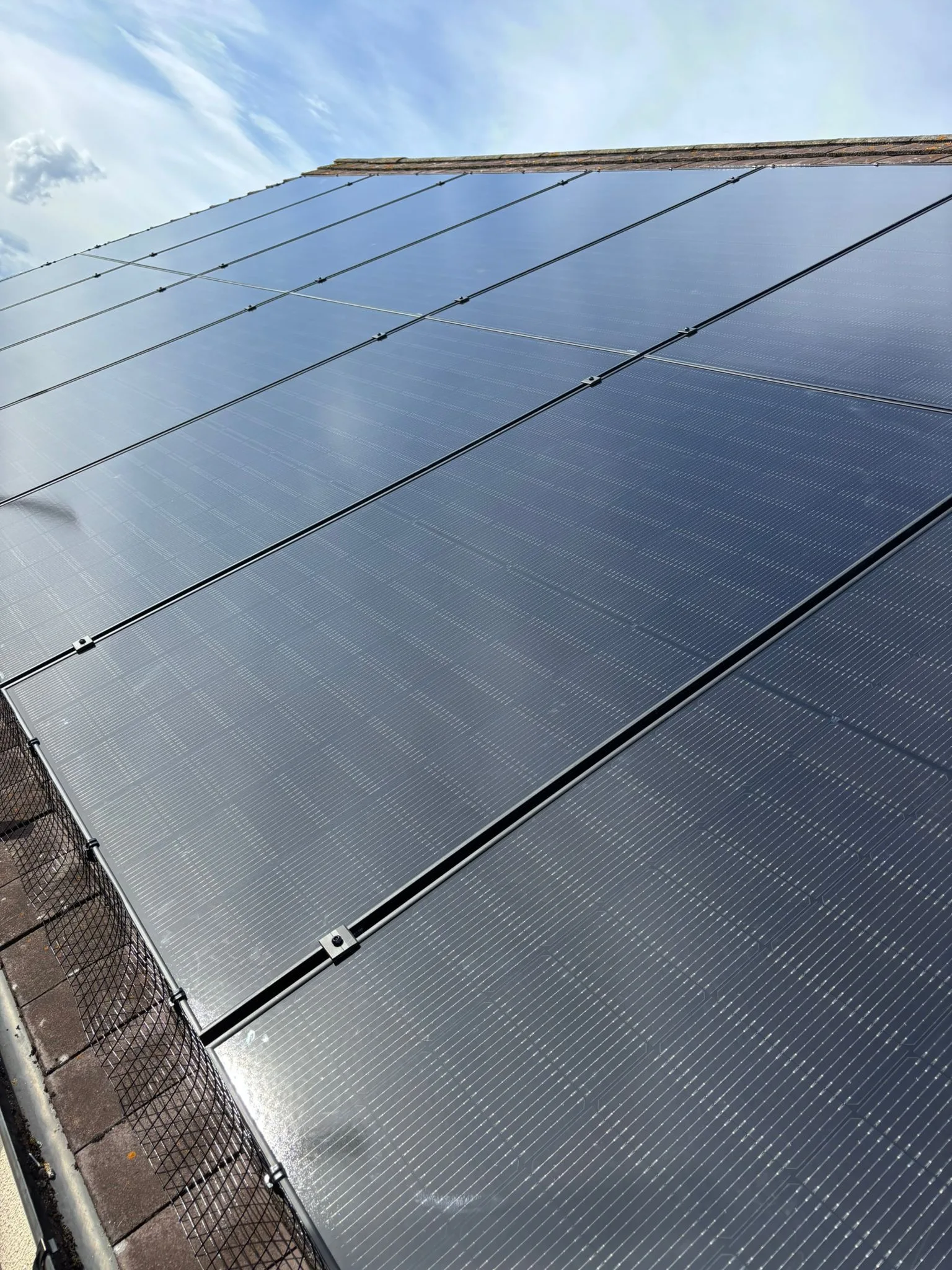 Leicestershire14 panels, 7 kWp, with a 10 kWh batteryEstimated first-year benefit £1,348See our Leicestershire installs
These illustrate REST UK installations, not necessarily customers who used this loan scheme. These energy-benefit forecasts do not deduct loan repayments. The forecasts combine solar savings, export income and cheaper overnight battery charging for the complete system. They are selected examples and estimates, not typical results or a guarantee, and your own figure depends on your roof, usage, tariff and future energy prices.
How an application works with REST UK
- 1Tell us about your home
Request a free quote and we will look at your roof and your electricity use.
- 2Get a clear quote
A written quote that prices each measure separately, with estimates labelled as estimates.
- 3Choose how to pay
We explain your options, including the scheme. Our finance guide compares the main ways to pay.
- 4Complete the application together
We help you gather what the application needs. Keep a recent electricity bill to hand, because it helps us understand your usage and provides supply details that may be needed. Your lender confirms its application requirements. Our MPAN guide shows where to find them.
- 5Installation and handover
We install the system and hand over your paperwork, including the completion documents your lender needs.
Why homeowners choose REST UK
Finance is subject to status and lender approval. REST UK is a credit broker, not a lender (FCA 824643), and introduces customers to its lending partners. We do not give mortgage or whole-market financial advice. We may receive commission from the lender for introducing finance. Rates and terms are set by the lender and may change.