
 Russell Andrews
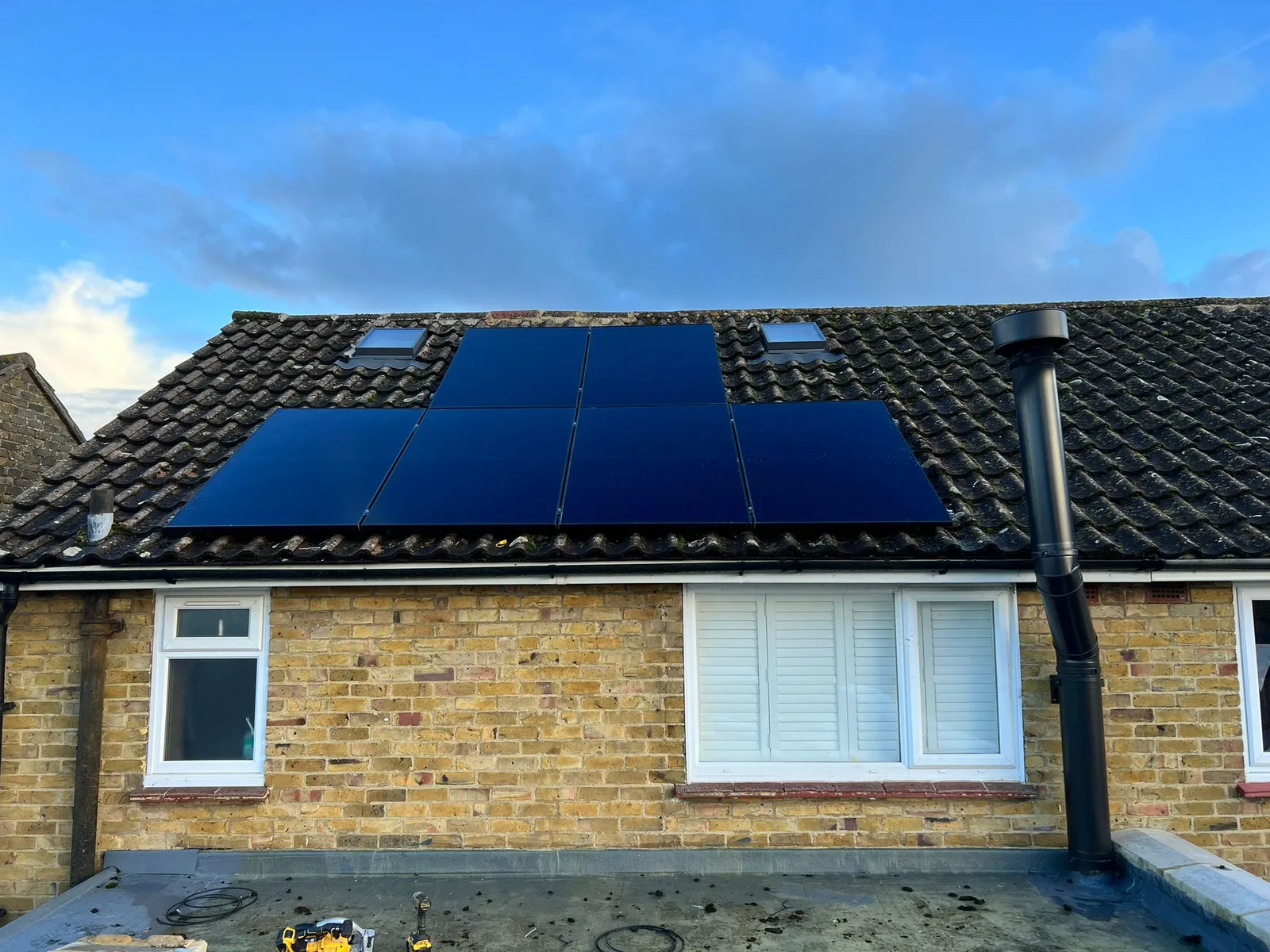
Are solar panels worth it in the UK? For a growing number of homeowners, the answer is yes. The Energy Saving Trust reports nearly 1.7 million installations on UK homes, and Which? says a solar PV system can be a sound investment wherever you live. This guide shows where the value comes from and how to get the most from a system on your own roof.
Where the value comes from
Lower electricity bills, starting the day it is switched on
Every unit of electricity your roof makes and your home uses is a unit you do not buy from your supplier. As the Energy Saving Trust puts it, sunlight is free, so once the system is installed your electricity costs are reduced. The more of your own power you use, the more you keep.
Income from the electricity you export
When your panels make more than you are using, the Smart Export Guarantee lets you be paid for the surplus. Ofgem publishes the list of suppliers that offer it, and each supplier sets its own rate. Which? reports rates from as little as 1p to as much as 25p per kWh, so choosing a strong tariff can make a real difference. Our Smart Export Guarantee page explains how to sign up.
Protection from rising prices
When the price of grid electricity rises, every unit you generate becomes worth more to you. Our guide to the October 2026 energy price cap shows how this works. Solar puts part of your supply under your own control for 25 years or more, which is how long the Energy Saving Trust says panels should last.
A cleaner, future-ready home
The Energy Saving Trust estimates that a typical home system saves around one tonne of carbon a year. Solar is also the natural partner for an electric vehicle charger, a heat pump or a battery, so it prepares your home for the way you will use energy in the years ahead. Our guide to whether solar panels add value to your home looks at the research on property value.
It works in British weather
You do not need a hot climate for solar to pay off. The Energy Saving Trust explains that panels generate electricity from daylight, including on cloudy days, and describes solar as a worthwhile option despite the stereotype of a cloudy UK. Modern systems are monitored through an app, so you can watch your own output and see the benefit for yourself.
Built to last
Panels are a long-term asset. The Energy Saving Trust says they should last 25 years or more, and the premium European panels we install carry a 30 year product warranty and a 30 year performance warranty from the manufacturer. REST helps you with any warranty claim. Our guide to the reasons to use solar power covers the wider benefits.
What recent REST installs look like
Real homes show what is possible. Three recent REST installs in Leicestershire were a 9 panel, 4.5 kWp system with a 10 kWh battery, a 14 panel, 7 kWp system with a 10 kWh battery and a 16 panel, 8 kWp system with a 15 kWh battery. Their estimated first-year benefits were £1,567, £1,602 and £1,552.
These are selected examples and estimates, not typical results or a guarantee, and your own figure depends on your roof, usage, tariff and future energy prices. You can see more on our case studies page.
Six ways to get more from your system
- Use more of your own power. The Energy Saving Trust says your savings depend on how much solar electricity you use yourself. Running the washing machine or dishwasher in daylight is an easy start.
- Add a battery. A battery keeps your midday surplus for the evening, so more of your own generation replaces bought electricity. See our battery storage page and our guide to the main solar battery options.
- Pick a strong export tariff. Rates vary by supplier, so compare them once your system is live.
- Charge an electric vehicle from your roof. Daytime charging puts your own generation to work. See our EV charging page.
- Get the design right. Panel positions, shading and the number of panels all shape the result, which is why a proper roof survey matters.
- Install while the zero rate of VAT applies. GOV.UK sets the zero rate for residential solar installations from 1 May 2023 to 31 March 2027. Our solar VAT guide has the detail.
See your own numbers
Every roof, household and tariff is different, so the best way to know what solar could do for you is to see a figure built around your home. Your REST quote shows the assumptions behind every estimate, so you can see exactly how it was worked out.
Try our savings calculator for a first idea. REST UK installs across England and Wales, is MCS certified and offers HIES deposit protection, which you can read about on our accreditations page. When you are ready, request a free quote and we will show you what a system could do on your roof.