
 Russell Andrews
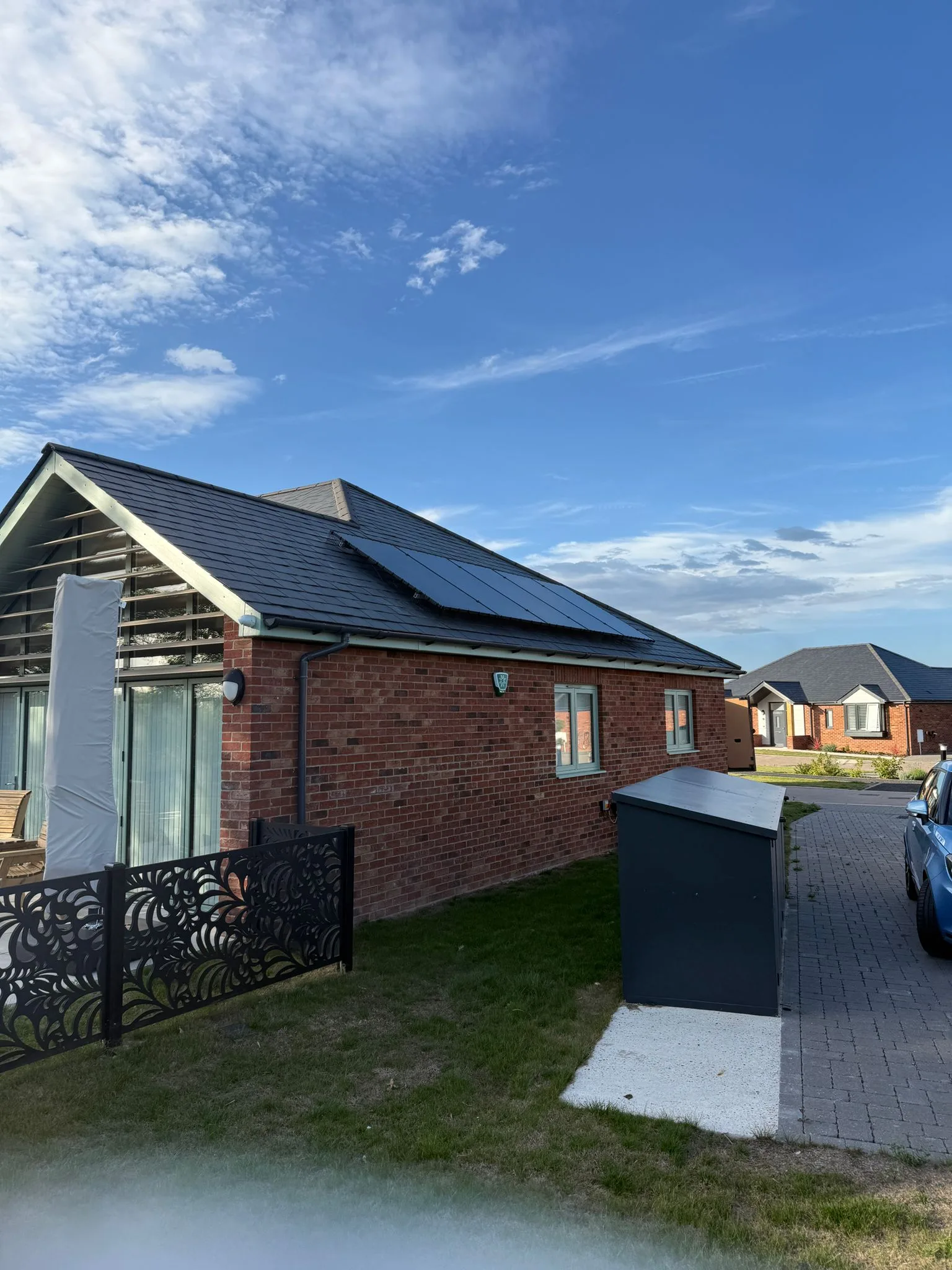
Government figures recorded nearly 172,000 solar installations across the UK between January and July 2026, covering homes, businesses and larger sites. For a household considering solar, the practical questions remain the same: what the roof can generate, how much electricity the home can use and what the complete system will cost.
By Russell Andrews
1. Lower energy bills
Generating your own electricity means relying less on the grid, and less exposure to further price rises. How much you save depends on your system size and how much of your own generation you actually use rather than export - but for most households, this is still the primary, most tangible benefit.
2. Renewable electricity without burning fuel
Solar panels generate electricity without burning fuel. Manufacturing, transport and disposal still have environmental impacts, so 'zero emissions' should describe neither the product's full lifecycle nor an entire installation.
3. A real cut to your household's carbon footprint
Switching a meaningful share of your electricity use to solar reduces your home's carbon footprint in a way that's directly measurable, not just a marketing claim - useful if that matters to you personally, or if you need to demonstrate it for other reasons.
4. More control over your own energy supply
Generating your own electricity - especially paired with battery storage - reduces how exposed you are to grid pricing and supply. This isn't complete independence from the grid, but it is a genuine shift in how much control you have over where your power comes from and when you pay for it.
5. Income from the Smart Export Guarantee
Eligible systems can be paid for electricity they export, but certification alone does not start payments: you apply to a supplier and meet its requirements. Rates vary by supplier, so compare current offers on suppliers' own websites, and shop for your SEG tariff separately from your installation. See our Smart Export Guarantee guide for how to compare properly.
6. A genuine, if modest, property consideration
Energy efficiency features are increasingly something buyers ask about, and a well-documented solar installation with real performance data is a reasonable thing to highlight when selling - though treat this as a minor factor alongside the direct savings, not a guaranteed uplift you can rely on.
7. Minimal ongoing maintenance
Once installed, panels need very little upkeep - occasional cleaning and periodic checks are generally enough to keep a system performing well over its 25+ year lifespan. See our maintenance and aftercare page for what this actually involves in practice.
8. A hedge against future energy price rises
Energy prices have risen substantially in recent years and remain volatile. Solar doesn't eliminate your exposure to that entirely, but it genuinely reduces how much of your electricity needs to come from the grid at whatever price it happens to be charging.
Is it right for your home specifically?
These reasons are genuine, but how much they apply to you depends on your roof, your usage, and your budget - not a generic answer. Request a free quote for a proposal based on your actual property.