
 Russell Andrews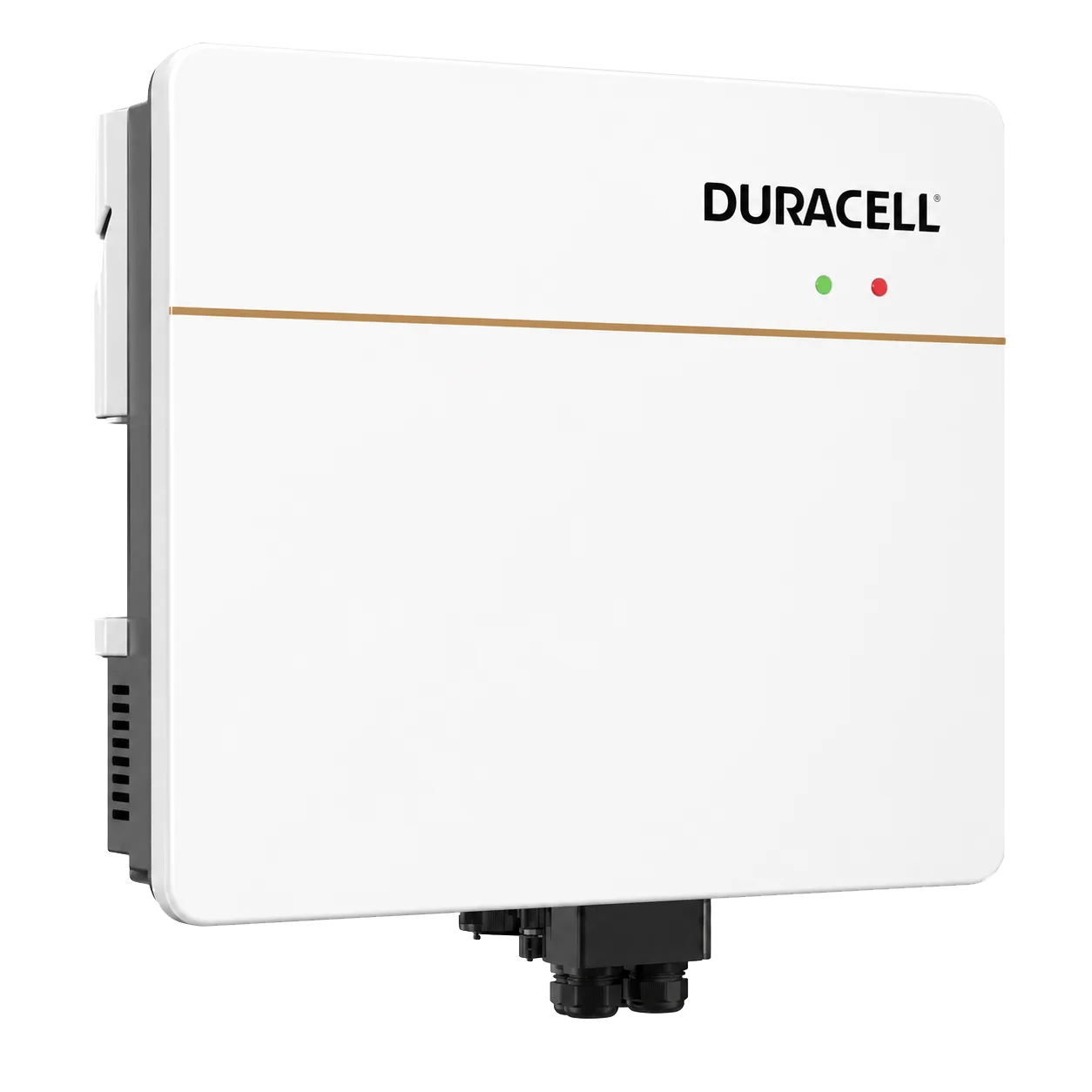
A typical home battery saves £500-£669 a year on top of what you already save from solar, by storing daytime generation for evening use - with payback typically in 7-10 years. Here's a practical shortlist of brands worth genuinely considering in 2026, and realistic UK pricing for each. (amprenewables.co.uk)
By Russell Andrews
Tesla Powerwall 3 - best overall capacity and full home backup
The Powerwall 3 offers 13.5kWh capacity with 100% depth of discharge (meaning you can genuinely use the full rated capacity, not just a portion of it), built-in thermal management for a wide operating range, and full home backup via its own gateway - if the grid goes down, your whole home keeps running, not just essential circuits. That capability comes at a premium: installed pricing typically starts around £8,000, commonly reaching £9,500-£11,500 depending on your installer and site. (heatable.co.uk)
Duracell Dura5 - strong mid-range choice
The Dura5 uses LiFePO4 (lithium iron phosphate) battery chemistry, which prioritises safety and longevity over the alternatives, backed by a 10-year warranty. Smaller 5kWh units like this typically start from around £4,000 installed - a genuinely different price bracket from Tesla, suited to households with more modest evening usage rather than those wanting full home backup.
Growatt - compact and budget-friendly
Growatt's smaller battery units (around 3.3kWh per module, stackable for more capacity) suit homes where space is limited, using the same LiFePO4 chemistry as the Dura5 with a comparable 10-year warranty. A sensible choice when budget or physical space is the deciding factor rather than maximum capacity.
LG Chem RESU and SonnenBatterie - established alternatives
Both are long-standing, well-regarded names in the UK battery market, generally sitting in the mid-to-premium bracket alongside Duracell. Worth asking your installer whether either is part of their standard range if you want to compare beyond the three above.
What actually determines the right choice for your home
| Factor | Why it matters |
| Evening/night electricity usage | Determines how much stored capacity you'll actually use each day |
| Whether you want full home backup | Only certain systems (like Powerwall 3) provide this - most batteries support only essential circuits or none at all in a power cut |
| Available space | Compact modular options like Growatt suit smaller utility spaces or garages |
| Inverter compatibility | Some battery and inverter pairings are more efficient together (DC-coupled) than others |
The honest caveat on payback
A battery's payback period depends heavily on how much surplus solar generation you actually have to store, and how much of your usage happens in the evening. A battery added to an undersized solar system, or a household mostly using electricity during the day already, will take longer to pay back than the average figures above suggest - worth asking your installer to model your specific situation rather than assuming the average applies to you.
Considering battery storage for your home? Request a free quote and our battery storage team will recommend a system based on your actual usage, not a generic shortlist.