
 Russell Andrews
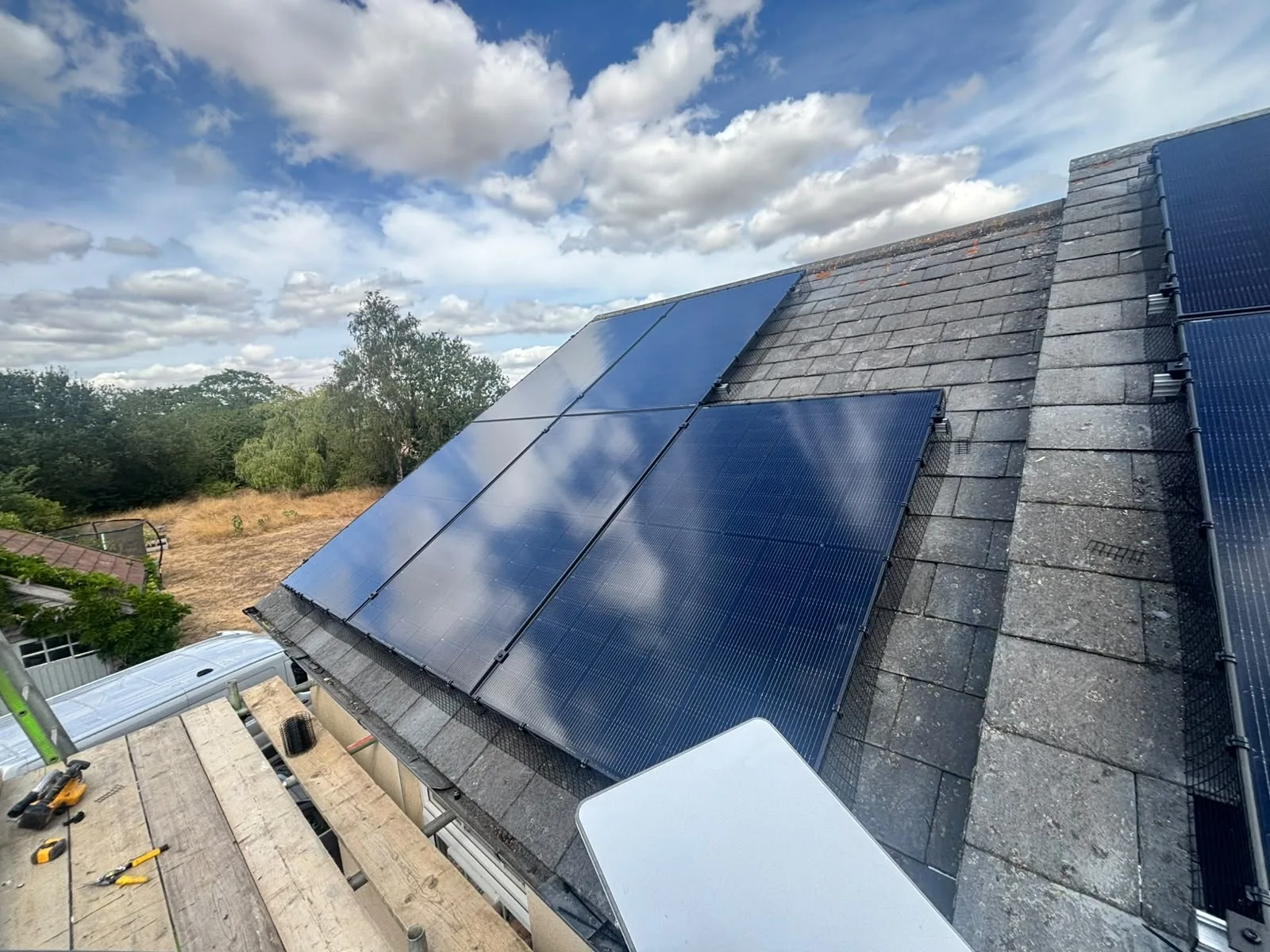
Do solar panels work in winter? Yes. In the UK, panels keep generating through the colder months, and that matters because they are working for you across the whole year. The Energy Saving Trust explains that panels generate electricity from daylight, even on cloudy days, so you do not need bright sun to benefit. This guide explains how winter fits into the picture and how to get the most from your system all year round.
Panels run on daylight, not just sunshine
The Energy Saving Trust says panels absorb light across the visible spectrum and wavelengths that can pass through clouds, so they keep generating on overcast days. Which? says the same, noting that panels use both direct and indirect light. A grey winter morning still gives your home a share of its power.
The Energy Saving Trust also describes solar as a worthwhile option despite the stereotype of a cloudy UK, with nearly 1.7 million UK homes now fitted.
A year-round system
Output follows the seasons. Spring, summer and early autumn are your strongest months, when long days build up a healthy share of your annual generation, while winter gives a steadier, smaller contribution. Published estimates of savings are worked out across a full year, so they already take the seasons into account. Our guide on the October 2026 energy price cap shows why every unit you generate matters when prices are higher.
Snow, frost and cleaning
Panels are built for the British climate. The Energy Saving Trust notes that in the UK, rain cleans panels tilted at 15 degrees or more, so most roof systems need very little attention through the winter. If snow settles, output picks up again as soon as it clears. Please do not climb on a roof to clear snow. If you are in doubt, ask your installer.
Ways to get more from winter
- Add a battery. A battery can charge from your solar surplus and, on a smart tariff, from cheaper grid electricity, so you cover your evening peak. Our guide on whether solar batteries are worth it shows how.
- Use daylight electricity. Running the dishwasher or washing machine in daylight uses your own generation directly.
- Keep panels clear of shade. The Energy Saving Trust advises keeping nearby trees trimmed. A low winter sun makes shadows longer, so a clear roof pays off.
- Choose a strong export tariff. The Smart Export Guarantee pays for what you send out, and rates vary by supplier.
- Track it in the app. Monitoring shows your output through the seasons, so you can see how your system performs.
The days lengthen and output builds
The turning point comes quickly. After the shortest day in December, daylight hours grow week by week, and output builds with them through late winter and spring. By the spring clocks change, many homes are already running a good share of their daytime electricity from the roof. A system installed in autumn or winter is ready and waiting for those longer days, so you are positioned for the strong months ahead.
Winter is a good time to plan
Many homeowners choose to plan their solar in the colder months, so the system is installed and working when spring arrives. A survey at any time of year measures your roof and models your generation across all twelve months, so the season you book in does not change the design. It also means you are ready to use the zero rate of VAT, which GOV.UK sets for residential solar installations until 31 March 2027. Our solar VAT guide has the detail.
Panel positions and winter
A south-facing roof gives the highest output, and a low winter sun suits a good tilt. Panels split across east and west faces spread generation across the morning and evening, which can suit a household that uses power at those times. A survey measures your roof and the shading around it, so your design reflects the way your home really works.
Pairing solar with a battery and a smart tariff
The combination is where many homes see the strongest results. Solar covers daytime use in the lighter months, and a battery with a time-of-use tariff can shift energy to the evening and the winter peaks. Our guide to the Octopus Flux tariff and batteries shows one example.
See your year in numbers
A good quote shows a month-by-month generation estimate as well as an annual one, so you can see how your system builds up across the seasons. If you are planning solar, REST UK can assess your roof and show you what to expect. You can see how our process works, or request a free quote for a system designed around your home and the way you use electricity.