
 Russell Andrews
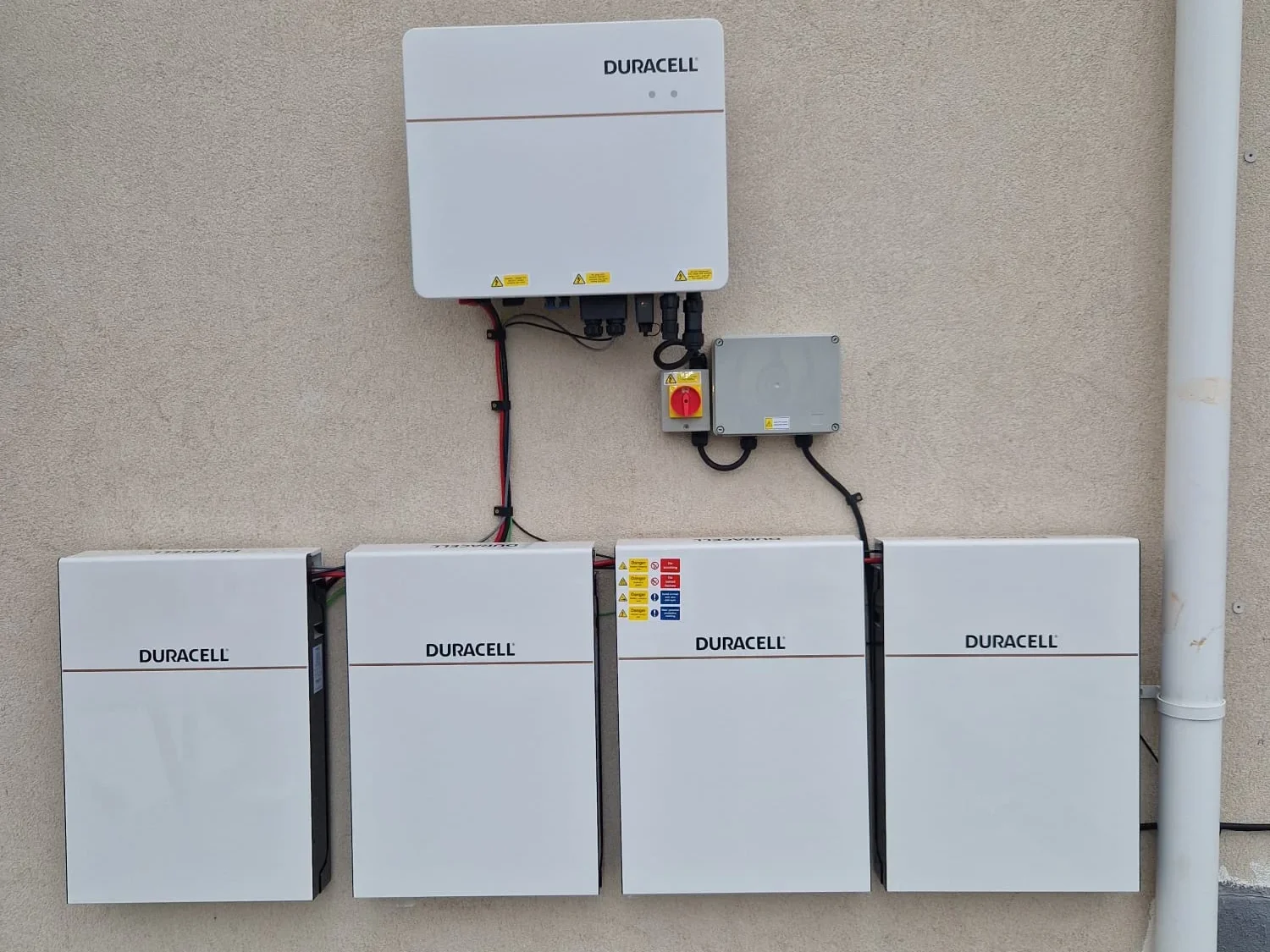
Are solar batteries worth it? For many homes, a battery is what turns good solar into great solar. It keeps the electricity your panels make at midday so you can use it in the evening, when most households use the most power. The Energy Saving Trust describes batteries as a great option for many homes, and the three recent REST installs on our Leicester page all included one. This guide shows what a battery adds and how to get the most from it.
What a battery does for you
Solar panels make electricity when the sun is up, but many households use most of their power in the morning and evening. A battery stores your surplus so you can use it later, instead of exporting it and buying electricity back at night.
- More of your own power. Stored energy replaces electricity you would otherwise buy from the grid.
- Evening and overnight cover. Cooking, lighting and the television can run on your own generation after dark.
- Less reliance on the grid. The Energy Saving Trust says a battery makes you less reliant on the grid and gives you more options as tariffs change.
- A more flexible, lower-carbon system. You help the wider electricity system become more flexible, resilient and low carbon.
Batteries and smart tariffs
A battery can also charge from the grid when electricity is cheap and discharge when prices are high. The Energy Saving Trust says it can use a smart time-of-use tariff to buy when it is cheap and avoid peak prices. Our guide to the Octopus Flux tariff and batteries shows one tariff in practice, and our guide to smart battery storage day to day shows how the controls work.
A natural partner for an electric vehicle or heat pump
If you drive an electric vehicle or run, or plan to run, a heat pump, a battery gives your home a flexible store to draw on. The Energy Saving Trust notes that a battery saves more money running a heat pump than it does simply exporting extra solar energy. Our EV charging page shows how a charger fits in.
A day with a battery
In the morning your panels start to cover the house, and the battery begins to fill from the surplus. Through the middle of the day the home runs on solar while the battery charges. In the evening, when the panels fade and the oven, lights and television come on, the battery takes over. Overnight it can keep the essentials running, and on a smart tariff it can top up from cheaper grid electricity ready for the next day. A good battery system manages this automatically, so you do not have to think about it.
What REST installs look like
The three recent Leicestershire installs on our Leicester page paired solar with batteries. A 9 panel, 4.5 kWp system had a 10 kWh battery, a 14 panel, 7 kWp system had a 10 kWh battery and a 16 panel, 8 kWp system had a 15 kWh battery. Their estimated first-year benefits were £1,567, £1,602 and £1,552.
These are selected examples and estimates, not typical results or a guarantee, and your own figure depends on your roof, usage, tariff and future energy prices.
Choosing the right size
The Energy Saving Trust says a typical home system might be 10 kWh, and your installer will advise based on your needs and circumstances. The aim is a battery that fills on a good day and covers your evening use, so it works hard every day. Our guide on how to choose a home battery size goes through it step by step.
Power cuts, brands and installation
If backup matters to you, our guide to home battery backup explains the options and what to ask for. We install batteries from Duracell, Fox ESS, Tesla and Growatt, and our guide to the main solar battery options compares them. The Energy Saving Trust notes that installing a battery at the same time as solar panels can be efficient, because the installers are already on site and can integrate the two as part of one job.
Solar first, battery now or battery later
You can fit a battery with new panels, or add one to an existing system. Fitting both together means one survey and one visit. If you already have panels, we can look at how a battery would connect to your system. Our solar battery storage guide explains how batteries connect, and our battery storage page sets out what we offer for homes with or without solar.
See what a battery could do for your home
The best way to see the benefit is a figure built around your own usage, your solar output and your tariff. If you would like REST UK to work that out, you can request a free quote, and your quote will show the assumptions behind every estimate.