
 Russell Andrews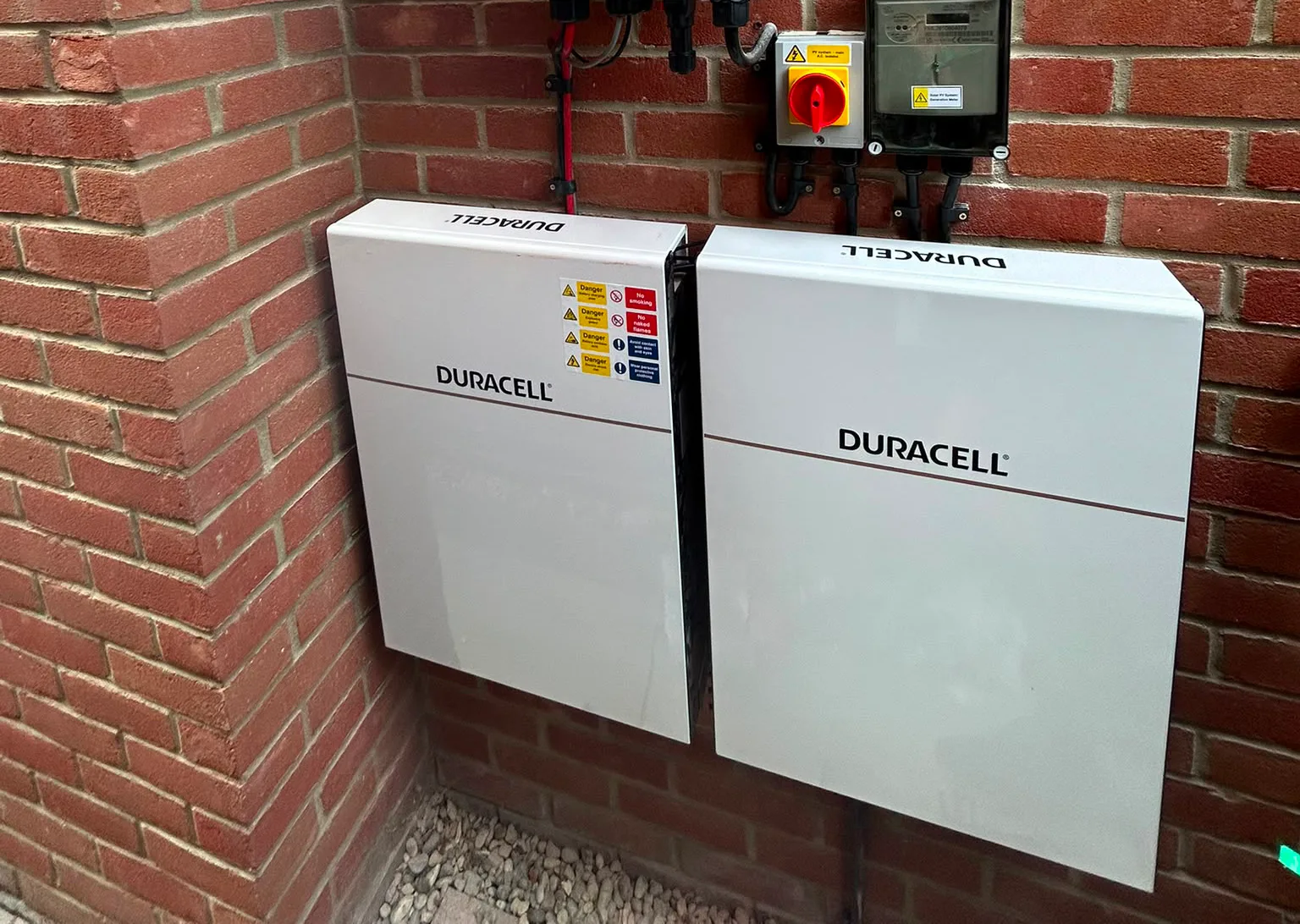
At REST UK, our recommendation is to consider solar battery storage from the start, rather than leave it until the panels are chosen. A battery lets you keep surplus solar electricity for later, reducing the mismatch between daytime generation and evening demand. That makes storage worth considering, but not an automatic purchase: the cost still needs to make sense for your household. Energy Saving Trust makes the same distinction between useful flexibility and financial value. (energysavingtrust.org.uk)
By Russell Andrews | Updated 22 September 2026
Why solar battery storage belongs in the first conversation
There is evidence that batteries and solar are being installed together. MCS reported that around 81% of battery installations under its scheme in the first quarter of 2026 were installed alongside solar photovoltaic systems. Photovoltaic simply means panels that turn sunlight into electricity. (linkedin.com)
That statistic needs careful reading. It describes the proportion of battery installations paired with solar, not the proportion of solar installations including batteries. It supports planning the technologies together, but does not establish that most new solar systems include storage. (linkedin.com)
For us, “default” should mean a default design question, not a compulsory item on a quote. Start by considering both technologies, then keep or remove the battery according to the evidence for your home.
There is also a practical reason to decide early. Energy Saving Trust says fitting a battery alongside panels should reduce installation costs compared with treating them as separate jobs. The equipment can be integrated during the same installation. This is general guidance, not a promised discount on any particular project. (energysavingtrust.org.uk)
Our residential solar and home battery storage services give you a starting point for that joined-up conversation. The useful question is not simply whether a battery is available, but what you would use it for.
Start with when your home uses electricity
Solar self-consumption means using the electricity your panels generate within your own home. Storage can increase that use by holding surplus generation until the panels are no longer producing electricity. This reduces the need to buy power from the grid at those times. (energysavingtrust.org.uk)
Think about a household that is mostly empty during daylight hours but busy after work. Its planning question is how much daytime generation could serve evening demand. A household already using much of its solar electricity during the day has a different starting point. These are useful scenarios to explore, not predictions of savings. (energysavingtrust.org.uk)
Bring a picture of your routine
To make a conversation with our team useful, gather more than your latest bill. We recommend bringing:
Your annual electricity use, plus monthly or half-hourly readings if available.
Your usual daytime and evening routines.
Your current electricity tariff and any export agreement.
Details of existing panels and associated equipment.
Plans for an electric vehicle or changes to home heating.
For battery storage for solar, our advice is to start with the job the battery must do, rather than the largest capacity on offer. Energy Saving Trust notes that there is no exact sizing formula: needs and circumstances determine the answer. Capacity is measured in kilowatt hours, which describes the amount of energy stored. (energysavingtrust.org.uk)
Compare stored electricity with the alternative
A battery is not the only useful destination for surplus solar electricity. Under the Smart Export Guarantee, eligible generators can receive payments for electricity exported to the grid. As checked on 22 September 2026, Ofgem says participating suppliers set their tariff rates and contract lengths; rates must be above zero. (ofgem.gov.uk)
Our recommendation is therefore to assess the battery's additional value separately from the panels. Consider the electricity purchases it could avoid, the export income you would give up and the installed battery cost. Storage also loses some energy and has a shorter lifespan than solar panels, so replacement belongs in the calculation. This is a decision framework, not a savings forecast. (energysavingtrust.org.uk)
Include the tariff, not just the roof
A time-of-use tariff charges different electricity prices at different times. A suitable battery arrangement lets you buy electricity during cheaper periods and use it later. That creates another potential use for storage, including in homes without solar panels. (energysavingtrust.org.uk)
We recommend testing the proposal against less favourable assumptions too. Would the additional cost still feel justified if tariff differences narrowed or your evening demand fell? Avoid treating today's tariff as a promise about the whole life of the system.
Make storage a considered choice, not an automatic extra
Our preferred starting point is simple: define the purpose, test the numbers and then choose the equipment. If the case remains unclear, there is no need to force a battery into the project. Solar panels can deliver benefits without storage. (energysavingtrust.org.uk)
Before committing, we recommend a written checklist covering the proposed capacity, installation location, controls, product warranty and any backup requirements. Separate the features you need now from those you might want later.
Ready to discuss your home? Request a free quote and share your electricity use, tariff and future plans. The aim is a clear decision about what belongs in your installation, not an optional extra added without a reason.