
 Russell Andrews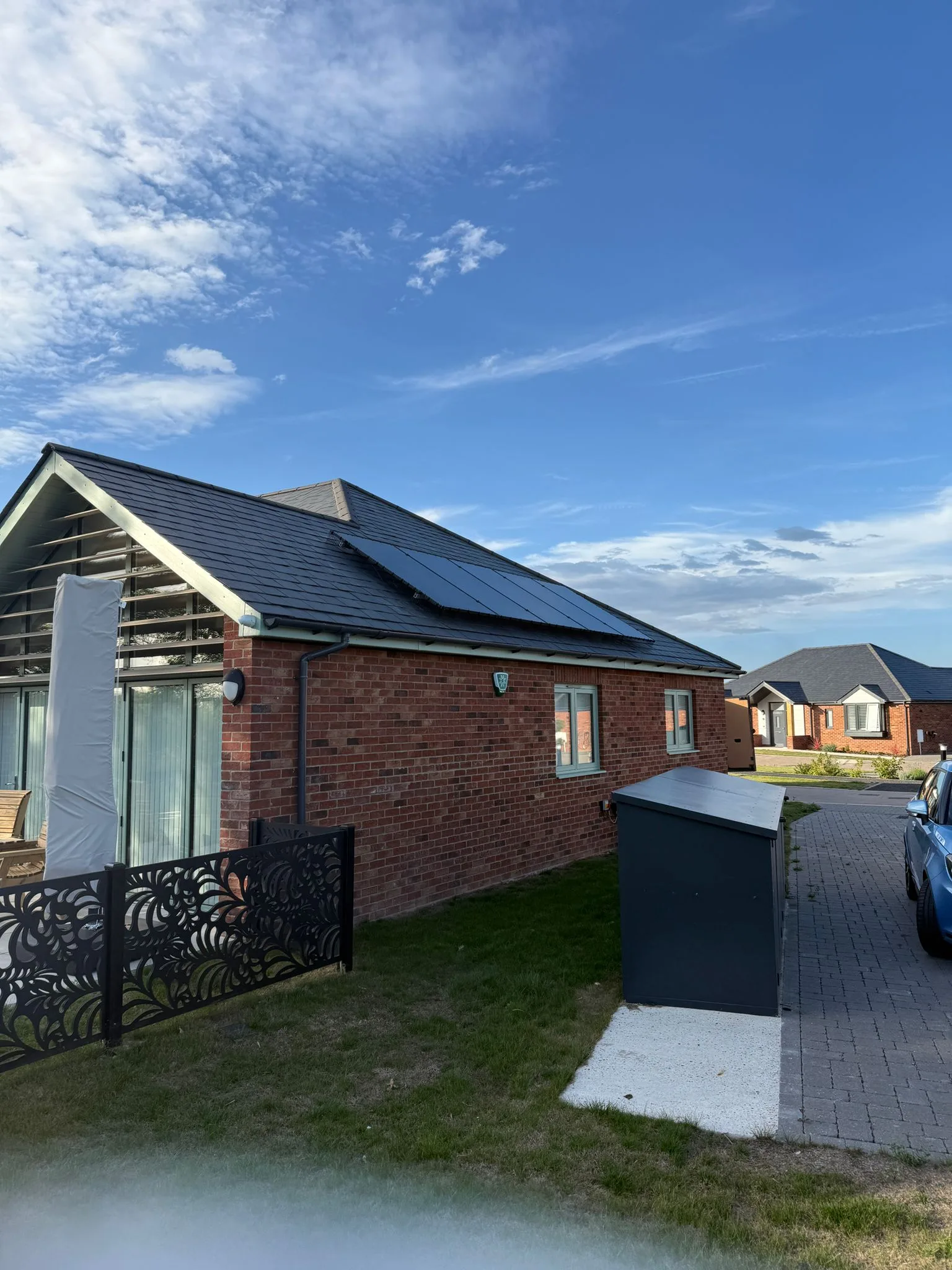
Plug-in solar panels offer a lower-cost way to generate a modest amount of daytime electricity. A professionally installed system is the stronger starting point for larger generation needs and integrated storage. Our advice is to match the system to your goal, rather than treat a small kit as a cheaper equivalent. The distinction is scale and suitability, not simply whether one option is “proper” solar.
By Russell Andrews. Updated 11 September 2026.
Plug-in solar panels: what has changed in Britain?
Compliant socket-connected solar became legal to use in Great Britain on 27 August 2026. Earlier guidance saying these products cannot be connected to a household socket is therefore outdated for England, Scotland and Wales. Northern Ireland has separate connection rules and is not covered by this change.
This is not permission to connect any imported kit. Products must meet the government's interim safety specification. That framework excludes plug-in batteries and solar kits integrated with batteries, so a product sold overseas is not automatically suitable here.
How a small kit works
The panels generate electricity, and a small inverter converts it into the form your household appliances use. A compliant kit feeds this through a suitable mains socket, reducing electricity drawn from the grid while it generates. The government's launch guidance describes kits providing up to 800 watts of power.
Balcony solar panels are one possible arrangement, but permission and building suitability still matter. Tenants and leaseholders should check with whoever controls the building before buying. Planning restrictions, external cladding and escape routes also need consideration. A sunny balcony is not, by itself, confirmation that an installation is appropriate.
What do you get from an installed system?
A fixed rooftop array can accommodate substantially more generating capacity. Energy Saving Trust describes an average domestic system as around 4.5 kilowatt peak, meaning its panel capacity under ideal test conditions. That is different from the socket-output limit of a small kit: neither figure promises constant generation.
Our residential solar installations are the relevant route if you want a professionally installed home system. We recommend starting the conversation with your available roof space, electricity consumption and plans for the property, rather than a preferred panel count.
| Consideration | Socket-connected kit | Professionally installed system |
|---|---|---|
| Main purpose | Small-scale daytime generation | Larger-scale household generation |
| Connection | Suitable mains socket under specific product rules | Fixed electrical installation |
| Position | Suitable outdoor space within cable reach | Roof or another assessed mounting location |
| Storage | Not included in the current plug-in framework | Compatible storage can form part of the design |
These are general differences between system types, not specifications for a particular REST installation. Product requirements and the property's suitability determine the final arrangement.
Small does not mean installation-free
Follow the manufacturer's mounting instructions and keep panels clear of escape routes. Never use extension leads or adaptors, or trap cables in doors and windows. Electrical work, including adding an outdoor socket, needs a qualified, competent person. Notify your local distribution network operator, the company responsible for local electricity cables, within 28 days of installation.
Compare useful electricity, not just purchase prices
A plug-in kit has a lower entry cost than rooftop solar, but the box price is not necessarily your complete budget. Check whether you need mounting accessories, permission or electrical work before deciding what you can afford. Our recommendation is to establish those requirements before placing an order.
For either option, separate the electricity generated from the electricity you actually use. Output varies with sunlight, orientation and shading. Electricity used at home reduces imports; surplus electricity needs storage or an eligible export arrangement to provide additional financial value.
Can you earn export payments?
The Smart Export Guarantee pays eligible generators in Great Britain for metered electricity exported to the grid. Suppliers set their tariff rates and contract terms. Certification and metering requirements apply, so do not assume a retail kit qualifies merely because it feeds electricity into your home.
Our Smart Export Guarantee guide explains this part of the decision. For budgeting, we recommend leaving export income out until eligibility is confirmed. Any solar panel payback period should show its assumptions clearly, rather than present one number as a promise.
Which route fits your longer-term plans?
Plug-in solar panels deserve consideration if your aim is limited daytime generation and rooftop installation is impractical. A suitable outdoor position, compliant equipment and the required permissions are essential. We would not dismiss a small system simply because it cannot meet a whole home's needs.
For homeowners seeking more generation and evening use, our recommendation is to explore a fixed system instead. Battery storage for solar retains surplus electricity for later, rather than requiring you to use it as it is generated. Our home battery storage installations provide that professionally installed option.
The current plug-in specification expressly excludes battery-integrated devices. Treat adding storage as a separate system-design decision, not a straightforward accessory purchase for a socket-connected kit.
Before speaking to our team, gather a recent electricity bill and note when your household uses most power. Include any plans for an electric car or other substantial changes. Those details give the discussion a useful starting point without assuming the largest system is the right answer.
Ready to consider the installed route? Request a free quote and tell us what you want your system to achieve. Start with your household's needs; choose the equipment around them.