
 Russell Andrews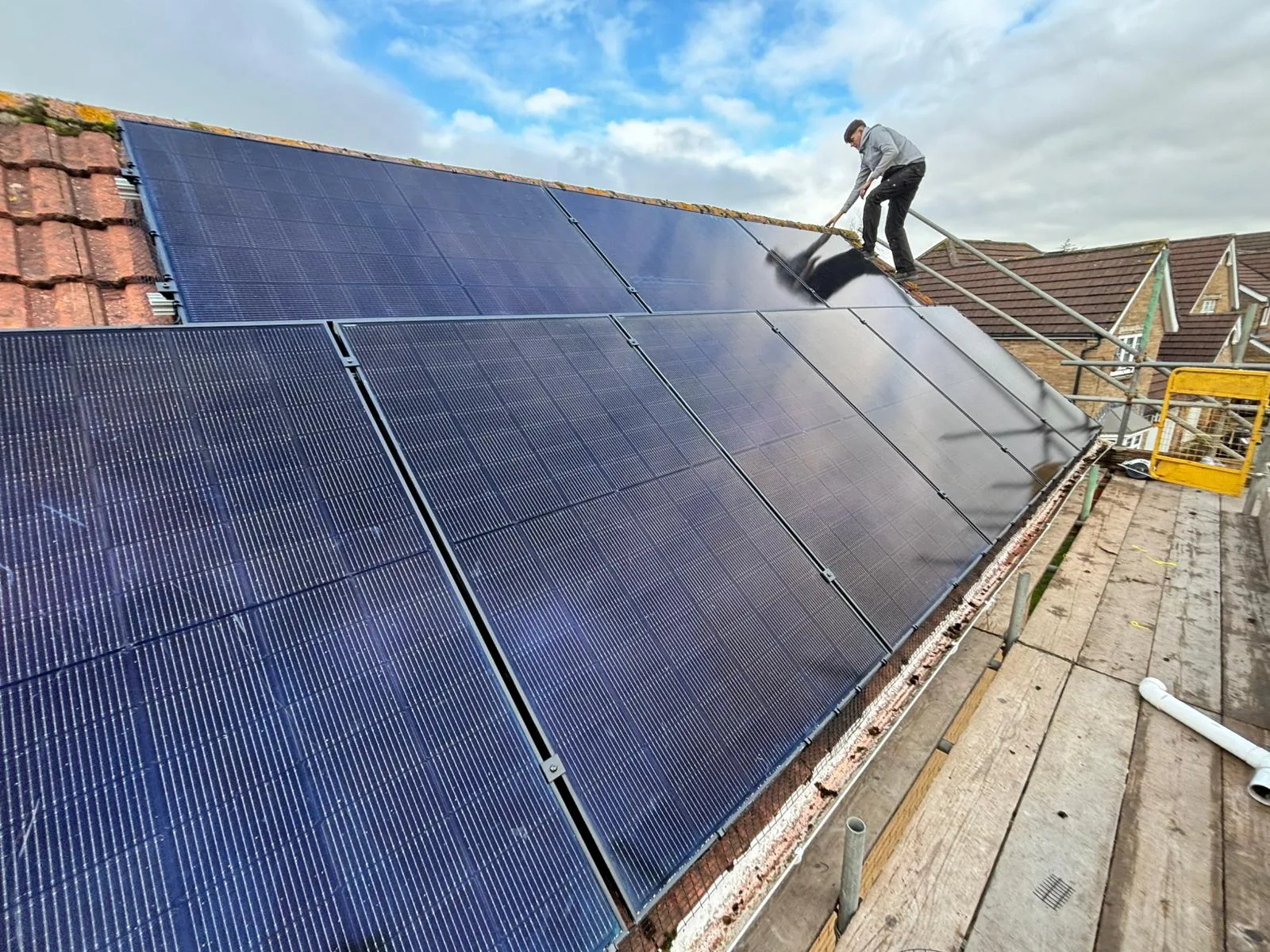
Our starting recommendation is straightforward: conventional panels usually offer better value on a sound existing roof. Consider solar tiles more seriously when building or replacing a roof, particularly if appearance matters enough to justify extra expense. Energy Saving Trust identifies the same distinction between retrofit and reroofing projects. (energysavingtrust.org.uk)
By Russell Andrews
How solar tiles differ from rooftop panels
Solar roof tiles generate electricity while replacing part of the roof covering. Conventional panels generally sit above existing tiles or slates on a mounting frame. That makes the choice partly about roofing, rather than simply choosing different electrical equipment. (energysavingtrust.org.uk)
There is a third option
Integrated solar panels use full-sized modules fitted within the roof covering. They provide a more recessed appearance without trying to resemble individual slates. Manufacturer GB-Sol distinguishes these systems from both its slate-style products and its complete solar roofs. (gb-sol.co.uk)
For our residential solar customers, we recommend separating three questions before discussing equipment: does the roof need work, how discreet must the installation look, and what is the budget?
Give each question a clear answer. For example, a planned roof replacement creates a different brief from adding generation to a recently renovated home. Neither appearance nor maximum output has to be your only priority.
Photographs of the property are useful starting points for that conversation. Include the whole roof, nearby trees and any dormers, rather than only the area where you hope equipment will fit.
Compare the whole project, not the price per tile
Energy Saving Trust says tile systems generally cost more than conventional panels. However, during a solar roof replacement, they also replace some ordinary roofing materials. The meaningful comparison is therefore the combined roofing and electrical project, not equipment prices alone. (energysavingtrust.org.uk)
Our advice is to prepare one scope before considering the budget. Separate work the building already needs from additional spending required to generate electricity. This helps you judge whether you are paying for essential repairs, a preferred appearance or greater generating capacity.
What should the scope cover?
Roof repairs, removal of existing coverings and disposal.
Scaffolding, access and any necessary structural work.
Generating equipment, mounting or integration components and electrical connections.
Weatherproofing responsibilities where roofing and electrical work meet.
Optional storage, monitoring and future access for maintenance.
Keep optional additions separate. A quotation containing storage is not directly comparable with a roof-only budget, even if both describe a similar generating system.
We also recommend recording exclusions alongside the total. If a cost is provisional, ask what would trigger a change and when it will be confirmed. A clear scope is more useful than a headline number that leaves substantial roofing work unresolved.
Before committing, decide how much extra you are comfortable paying for a less visible installation. Treat that as an appearance preference, not an assumed financial return.
Judge output from the usable roof area
Smaller solar units do not automatically deliver more electricity from the same space. GB-Sol explains that borders occupy a greater proportion of small modules, reducing output per square metre. However, their size can help them fit areas that larger panels cannot use. (gb-sol.co.uk)
Our recommendation is to consider a proposed layout alongside its estimated annual generation. Ask for both the system’s rated capacity and the electricity it is expected to produce over a year. Do not treat the number of individual units as a meaningful performance comparison.
Roof direction and shading also matter. Energy Saving Trust identifies an unshaded, south-facing roof as ideal, while east- and west-facing roofs remain suitable. Nearby buildings, chimneys and trees can reduce production. (energysavingtrust.org.uk)
Match generation to your routine
Tell us whether someone is home during daylight hours and which appliances you expect to run. Include any planned change in electricity use, rather than basing the discussion solely on last year’s bill.
If evenings account for much of your demand, battery storage for solar deserves a separate discussion. A compatible battery stores surplus generation for later use; it does not increase the electricity generated by the roof. (energysavingtrust.org.uk)
For that reason, we recommend deciding the roof layout first, then considering storage against your likely surplus and evening consumption.
Check permissions and long-term roof care
As checked on 15 September 2026, government guidance for England says building-mounted solar is often permitted development. Restrictions and exceptions apply, including for heritage properties. A discreet appearance does not establish permission: confirm requirements with your local planning authority, using the rules for your UK nation. (gov.uk)
Building regulations are separate from planning permission. Government guidance lists replacement roof coverings among alterations that might require building regulations approval. Establish the approval route before roofing work starts. (gov.uk)
Think beyond installation day
We recommend keeping the product details, maintenance instructions and warranty documents together. Before choosing roof-integrated equipment, clarify who handles an electrical fault, who handles a leak, and how replacement units would be accessed.
Do not assume every product has identical inspection requirements. For example, GB-Sol specifies periodic inspection and servicing conditions for the weatherproofing warranty on certain systems. Those are manufacturer-specific conditions, not REST warranty terms. (gb-sol.co.uk)
Ready to discuss your roof? Request a free quote and tell us about its condition, your electricity use and any planned building work. If you prefer solar tiles or an in-roof design, confirm product availability with our team before planning around a particular system.