
 Russell Andrews
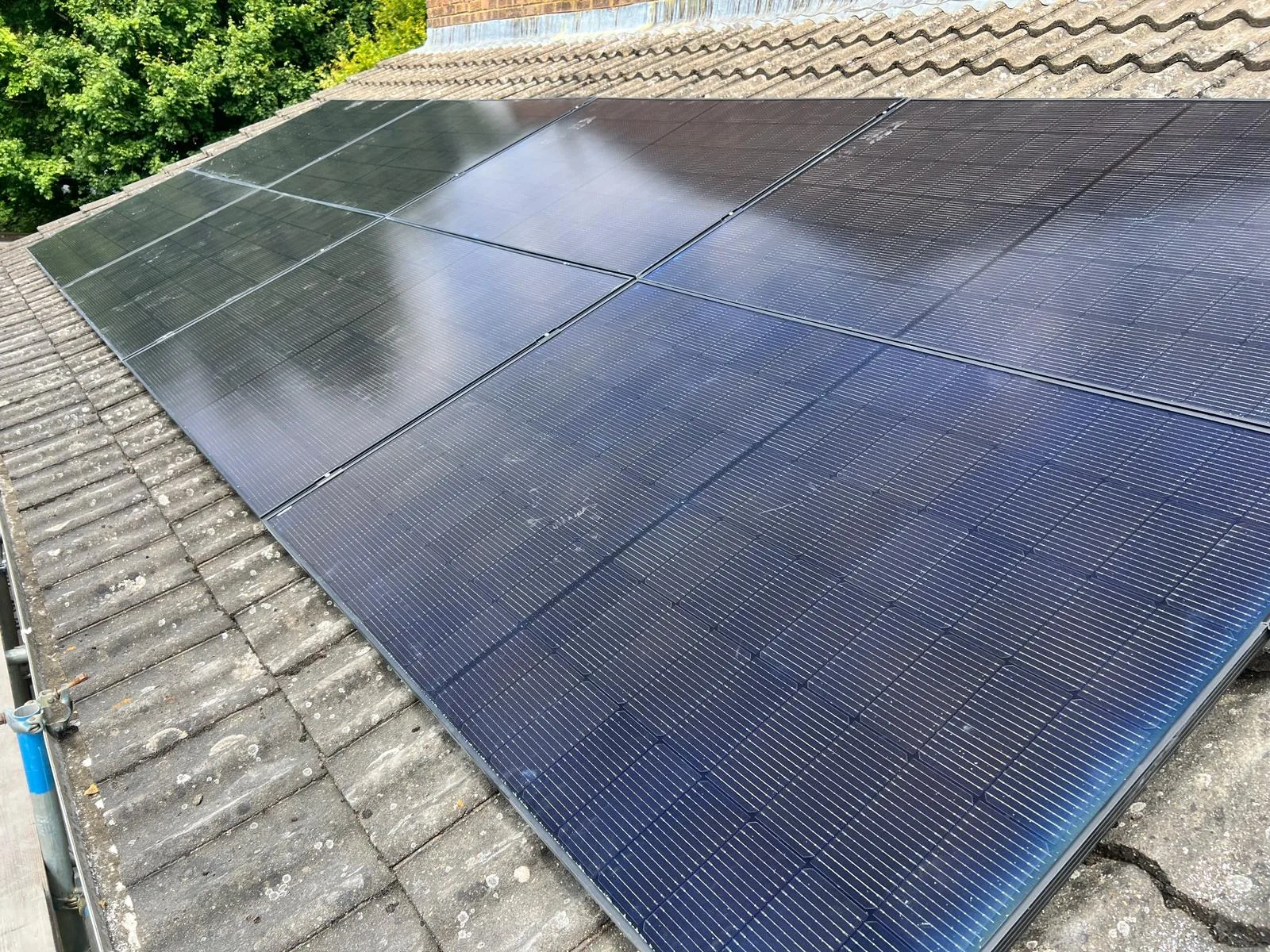
Solar panels have a lot going for them. They cut the electricity you buy, they can earn you money for what you export, and they are built to keep working for 25 years or more. Nearly 1.7 million UK homes now have them, according to the Energy Saving Trust. This guide covers the solar panels pros and cons, with the benefits first and then the few things worth planning for, so you can decide with the full picture.
The benefits of solar panels
You use your own electricity
Every unit your panels make while you are home is a unit you do not buy from your supplier. Cooking, laundry, charging devices and running the fridge can all be powered from your own roof, and the effect starts the day the system is switched on.
You can be paid for what you export
Electricity you do not use can be sold back through a Smart Export Guarantee tariff. Ofgem requires larger suppliers to offer one, and each supplier sets its own rate, so it pays to compare. Our Smart Export Guarantee page explains how to claim.
Panels are built to last
The Energy Saving Trust says panels should last 25 years or more. Eligible Eurener NEXA double-glass bifacial panels supplied through our Premium Partner programme have a 30-year product warranty and a separate 30-year performance warranty, subject to the manufacturer's terms. Your quote identifies the exact model and cover that apply. We help with any warranty claim.
They need very little looking after
There are no moving parts. The Energy Saving Trust says rain cleans panels tilted at 15 degrees or more, so most roofs need an occasional check and a monitoring app that shows what your system is producing.
They keep working through the year
Panels run on daylight, not heat, so they generate on overcast days and through the winter months. Summer is the peak, and the rest of the year still adds up.
They prepare your home for the future
An electric vehicle or a heat pump uses a lot of electricity, and solar gives you a way to supply some of it yourself. Add a battery and you can keep your midday surplus for the evening. Our guide to solar battery storage shows how the two work together.
A lower-carbon home
Making your own electricity cuts the amount you draw from the grid, which helps the wider system become cleaner and more flexible.
What REST installs look like
Recent REST installs in Leicestershire show what a typical system looks like. A 9 panel, 4.5 kWp system, a 14 panel, 7 kWp system and a 16 panel, 8 kWp system each came with a battery, and their estimated first-year benefits were £1,349, £1,348 and £1,552. These are selected examples and estimates, not typical results or a guarantee. You can see more on our case studies page.
What to plan for
A good installation starts with a few simple checks, and a survey covers each of them. Here is what they are and how they are handled.
- Your roof. South-facing roofs give the highest output, and east and west faces are widely used too. A survey measures your roof, the pitch and any shading, then designs the layout to suit.
- When you use electricity. The more of your solar power you use yourself, the more it is worth. A battery moves your midday surplus to the evening, and a smart tariff can add to that.
- The inverter. The inverter turns the panels' output into household electricity, and the Energy Saving Trust says it usually needs replacing after around 12 years. Our guide to how solar inverters work explains what to expect and what the warranty covers.
- Planning and permissions. Most roof installations in England are permitted development, with limits that apply in some places such as conservation areas. We check this for you and advise where a permission is needed.
- Your timing. Zero VAT on installing solar panels applies until 31 March 2027, then the reduced rate of 5 percent applies, according to GOV.UK. If you have been thinking about solar, that date is useful to know.
Is solar right for your home?
The solar panels pros and cons come out well for homes with a reasonably clear roof, a household that uses electricity during the day or plans to add a battery, an electric vehicle or a heat pump, and owners who want more control over their energy. If that sounds like you, the next step is a survey of your own roof.
Get a design built around your home
Our team can survey your roof, explain the sizing and show you the numbers behind every estimate. You can use our savings calculator for a first look, read more about our solar panel range, or request a free quote and see what a system could do for your home.